Grand Forks & Boundary Country Real Estate Blog

RSS

Published: June 10, 2026 · Grand Forks & Boundary Country Real Estate


Christina Lake wins if you came for the water — waterfront, warm-lake recreation, and a summer-anchored second home are worth the premium, provided you accept a quieter winter and services 18 minutes away. Grand Forks wins if your real life is year-round: hospital, secondary school, full grocery, and a permanent community in town. The two markets sit 23 km apart on Highway 3 and behave like different cities. Start with how you'll actually use the place in February, not July.


The Two Markets at a Glance

You arrived wanting the lake. The honest first move is to set the lake side by side with the town it leans on, because almost every Christina Lake purchase quietly depends on Grand Forks for the things the lake doesn't provide.

FactorChristina LakeGrand Forks
Average listing price (all types)~$729,000 (Zolo, June 2026)~$592,000–$633,000 (Zolo; Wahi)
Median list price~$549,000 (range ~$159K–$2.5M)mid-$500,000s
Average detached listing~$1,071,000 (waterfront-skewed)~$752,000
Active listings (recent)~58 (REALTOR.ca, June 2026)~71 on Realtor.ca
Community typeSummer-anchored, lake-and-cabin economy with a ~1,500 permanent coreFull-time town, year-round services, ~4,000 residents
Waterfront / lake accessChristina Lake direct — warmest tree-lined lake in BCGranby and Kettle Rivers; no big lake
SchoolsChristina Lake Elementary (K–7); secondary buses to Grand ForksTwo elementaries, Grand Forks Secondary, Selkirk College campus
Hospital, big grocery, professional servicesNo — 18 min / 23 km west to Grand ForksYes, in town (Boundary Hospital)
Winter lifeThins after Labour Day; closer-knit, quieterRuns every week of the year
Distance to Castlegar airport (YCG)~45 min~1 hr

The headline gap — roughly $729K average at the lake versus $592K–$633K in town — is real, but it overstates the daily difference. Christina Lake's average is dragged upward by a thin tier of trophy waterfront listings climbing toward $2.5M; the ~$549,000 median is much closer to where ordinary lake buyers actually transact. Compare an inland Christina Lake home to a Grand Forks equivalent and the gap narrows considerably. The premium you feel is almost entirely the cost of touching the water.


What the Christina Lake Premium Actually Buys

This is why you started here, so let's be concrete about what the extra dollars deliver.

The water itself. Christina Lake is billed as the warmest tree-lined lake in BC — sheltered bays warm to around 23°C in summer, the water is clear and low-nutrient, and the swimming season is genuinely long for the Interior. That is not a feature you can replicate 18 minutes west on the Granby or the Kettle River. If a warm-lake summer is the dream, the lake is the only address that delivers it.

Direct recreation, out your door. Gladstone Provincial Park and Texas Creek Campground anchor the north end; Christina Lake Provincial Park gives day-use beach access; the Christina Lake Golf Club is minutes away; and the Columbia & Western, Kettle Valley Railway (KVR), and Trans Canada Trail networks converge here for cycling and paddling. A Christina Lake purchase buys a lifestyle that's assembled and waiting, not commuted to.

The second-home and summer-anchor case. For buyers whose primary residence is in Calgary, the Lower Mainland, or the Okanagan, the lake is the getaway the whole family organizes its summer around. The deep, geographically broad buyer pool that keeps waterfront values resilient is the same pool you'd be selling into later — recreation demand is what holds this market up.

A genuinely scarce asset. Only one private moorage is permitted per waterfront lot, frontage is finite, and there are roughly 58 active listings across the entire community at any time. Scarcity is part of what you're paying for, and part of what protects resale.


What You Give Up at the Lake

The lake is honest about its premium; it's less honest about its gaps. These are the things lake-first buyers tend to discover after the July weekend that sold them.

Year-round services. Christina Lake has a small grocery, gas, a community hall, and cafes and restaurants that mostly run seasonally. For a full grocery shop, dental, a pharmacy run, professional services, or the hospital, the practical hub is Grand Forks, 18 minutes and 23 km west. That's manageable as an occasional drive and tiring as a daily one.

Schools stop at Grade 7. Christina Lake Elementary (K–7) serves the community in-village, which is excellent for younger families — but secondary students bus to Grand Forks Secondary. If you have kids spanning elementary and high school, the daily commute math is a standing fixture of life at the lake, not a one-off.

Winter quiet. From November through April the rhythm thins noticeably. Seasonal businesses close, second-home owners head back to the coast or Alberta, and the community contracts to its roughly 1,500-person permanent core. Some buyers love that hush; others find it isolating. Highway 3 over Paulson Summit toward Castlegar demands winter tires and respect in storm conditions.

Carrying costs the price tag doesn't show. Waterfront insurance in a wildland–urban interface runs higher (the September 2024 Spaulding Creek fire evacuated 42 homes and downed Highway 3 power lines — CBC). Rural septic replacement runs ~$25,000–$40,000 and lakeside siting is stricter under the Riparian Areas Protection Act. Add seasonal winterizing, dock storage, and the RDKB Area C milfoil-control levy carried by waterfront owners. None of it is disqualifying — but model it before you assume the sticker is the whole story.


Where Grand Forks Wins

If any of the gaps above made you pause, this is the case for buying in town and visiting the lake instead.

The hospital and full services. Boundary Hospital, multiple grocery stores, dental and medical clinics, the library, the community centre, and the seasonal farmers' market are all in town and all running every week of the year. For retirees, families, and anyone managing health needs, minutes-not-18-minutes is a real quality-of-life difference.

Secondary school in town. Grand Forks Secondary, two elementary schools (Dr. D. A. Perley and John A. Hutton), and a Selkirk College community campus mean a family can keep every grade local without a daily highway run.

A year-round community. Grand Forks has the texture of a multi-generational small town — Doukhobor heritage in the cultural fabric, the Gallery 2 arts centre, local theatre, and community events that run all year. The social network is reachable within a few months, not just in July.

More inventory and a lower entry. Around 71 active listings versus the lake's ~58, with far more variety — heritage homes downtown, post-war bungalows, infill on the edges, small acreage just outside city limits, plus townhouses and condos the lake simply doesn't have. The detached average near $752,000 and a sub-$500,000 segment that actually exists give you more optionality per dollar.


The Hybrid Play: Buy in One, Recreate in the Other

Because the two markets are only 18 minutes apart, you don't have to resolve the tension in a single purchase — and many Boundary households don't.

Buy in Grand Forks, recreate at the lake. If your life is year-round — work, kids in multiple grades, healthcare, a steady social circle — anchor the primary residence in town where the detached average is roughly $752,000 and services are at hand, then treat Christina Lake as a day-trip, a boat slip, or a separate seasonal purchase once full-time life is settled. You get the warm lake on summer weekends without paying the waterfront premium on the home you live in every February.

Buy at the lake, commute to town. If the water is genuinely the point — you're retired or remote, summer-anchored, and the lake is why you're moving at all — buy at Christina Lake and accept Grand Forks as the 18-minute service hub. This works best when you've honestly stress-tested winter quiet and the commute for groceries, appointments, and (if relevant) the secondary-school run.

The deciding question is simple: where does your Tuesday in January happen? Put your home there, and let the other market be the one you visit.

A few practical notes on the hybrid math. Two properties means two sets of carrying costs — but a modest year-round Grand Forks home plus a seasonal back-lot cabin can total less, and stress less, than stretching for a single trophy waterfront home you'll heat through the winter regardless. Financing differs too: lenders treat a winterized, year-round-access primary residence very differently from a seasonal cabin on a seasonal road, and a bare-land strata where the dock or beach is common property rather than exclusive-use can complicate both value and mortgageability. If a hybrid is on the table, sequence it deliberately — settle the year-round base first, then shop the lake from a position of patience rather than under summer pressure, when waterfront pricing is at its least negotiable.


When Christina Lake Wins

  • Lake access is the central, non-negotiable reason you're buying

  • You're after a cabin, second home, or summer-anchored property

  • Your year-round residence is elsewhere (Lower Mainland, Alberta, Okanagan) and this is the getaway

  • You can carry $1M+ for direct waterfront, or ~$549K–$729K for lakeview / walkable-to-lake

  • The seasonal rhythm appeals — dense summer community, quiet winter

  • You're prepared for waterfront due diligence: foreshore tenure, dock authorization, riparian setbacks, septic, access road

When Grand Forks Wins

  • You'll be at the property full-time, year-round

  • You need town services — hospital, schools, grocery, professional care — in minutes, not 18 minutes

  • You have school-age kids spanning elementary and secondary

  • You want maximum optionality in the ~$400K–$800K detached range, plus townhouse and condo choices

  • Year-round community and a walkable downtown matter more than waterfront

  • You're relocating for work or retirement and want daily ease over lake frontage


What Casie Observes in This Market

The pattern Casie sees most often starts exactly where you are: a buyer falls for Christina Lake on a warm July weekend, then maps their actual year and realizes the weight of life — work, kids' schooling, healthcare, the year-round social circle — will land in Grand Forks. For those buyers she usually suggests anchoring the home in town and treating the lake as a separate, later decision. But the reverse is just as real: summer-anchored, retired, or remote buyers who should be at the water sometimes talk themselves out of it over service worries that the 18-minute drive quietly solves. Because the two markets are so close, switching mid-search is realistic — but only with an agent actively working both inventories, who can price the true trade-off instead of selling you one side.


About the Author

Casie Schellenberg, PREC*, is a REALTOR® with eXp Realty and the principal of Casie Schellenberg Personal Real Estate Corporation, serving Christina Lake and the Boundary Country. She holds the ABR®, SRES®, and CLHMS® designations, is a 3X eXp Realty ICON Award winner, and carries 71 client reviews at 4.98/5.0 (46 five-star Google, 25 verified RankMyAgent).

What makes Casie useful on this specific decision is that she actively covers both markets at once — the Christina Lake waterfront and back-lot tiers and the full-time Grand Forks town market — so she can model the real lake-versus-town trade-off rather than advocate for whichever side she happens to list. Her Kamloops-era practice across Lillooet, Ashcroft, and Lytton built deep waterfront and rural due-diligence habits (foreshore, dock tenure, riparian, septic, access), and her own Kamloops-to-Grand-Forks relocation in 2025 means she has personally weighed the town-base-versus-lake-dream question many of her clients are facing.

Reach Casie at 778-209-0305 or casie@buysellgrandforksbc.com.


Related Reading


© 2026 Casie Schellenberg Personal Real Estate Corporation

Read

Published: June 10, 2026 · Grand Forks & Boundary Country Real Estate


Before you buy Christina Lake waterfront, verify five things: that the foreshore in front of your beach is Crown land (it almost always is), that the dock sits on valid Land Act tenure and not an assumption, that the riparian setback near the high-water mark still leaves you a buildable footprint, that the septic and well are sized for how you'll actually live, and that the access road is year-round maintained. Get those right before the view sells you.


Why Christina Lake Waterfront Is Its Own Market

Christina Lake is the Boundary's highest-stakes micro-market, and waterfront is the highest-stakes tier within it. Billed as the warmest tree-lined lake in BC, the lake pulls second-home, retirement, and recreation buyers from the Okanagan, Vancouver, and Calgary into a tiny, thin pool of frontage listings. That demand against scarce supply is the premium driver — and it's why the averages mislead.

Town-level listing data shows an average around $729,000 but a median closer to $549,000, across a range of roughly $159,000 to $2.5 million (Zolo, June 2026). The gap between that average and median is the waterfront skew, not a typo. Detached homes average north of $1,071,000 because a handful of trophy frontage properties drag the mean upward (Zolo, June 2026). Private waterfront runs from entry-level cabins on modest frontage up toward $2.5 million for one-acre lots with sandy beach and a private dock.

The defensible benchmark is regional, not lake-specific: the Association of Interior REALTORS® put the Kootenay–Boundary single-family benchmark at $615,700 in May 2026, up 4.4% year-over-year, with regional active listings up 2.4% — the only territory in the Association growing inventory (Grand Forks Gazette, June 5 2026). But a benchmark home in Grand Forks tells you almost nothing about what a specific beach on Christina Lake is worth.

The problem with waterfront here is comparables. With only a handful of frontage sales in any given year, you cannot price a property off a neat "price per foot" the way you might on a busy Okanagan lake. Two lots a hundred metres apart can differ by hundreds of thousands of dollars based on beach quality, dock rights, exposure, and whether the access road is plowed in February. That thinness is exactly why due diligence — not the listing photos — is where a waterfront purchase is won or lost.


Who Owns the Foreshore? (Hint: Not You)

Here is the single most common misunderstanding among first-time waterfront buyers: you do not own the beach down to the water. In British Columbia the foreshore — the strip of land between the natural high-water mark and the low-water mark — is almost always Crown land, owned by the Province. Your lakefront title typically ends at the high-water mark and excludes the foreshore entirely (Government of BC — Private Moorage).

In practice this means a few things. Your title gives you upland ownership and, usually, riparian rights of reasonable access to the water — but not exclusive ownership of the wet beach or the lakebed your dock reaches over. The public has a right to use the foreshore, and you cannot legally fence it off, build a structure that obstructs it, or treat it as private yard. The "private beach" you're paying a premium for is really exclusive use of the upland plus practical access — not a fee-simple slice of the lake.

This is not a reason to walk away; nearly every waterfront property on Christina Lake works exactly this way, as do most on lakes across the province. It is a reason to understand precisely what your title does and does not include before you anchor your offer to "private waterfront." Casie pulls the title and reviews the parcel boundary against the high-water mark as a standard first step, so you know where ownership actually stops.


Is the Dock Legal? The Single Biggest Waterfront Diligence Item

If you remember one thing from this guide, make it this: a dock is not automatically legal just because it exists. Because the foreshore and lakebed are Crown land, any private dock or moorage needs provincial authorization under the Land Act — either a registered tenure (a lease or licence of occupation) or a qualifying General Permission that lets eligible private moorage proceed without a specific tenure if it meets the conditions (Government of BC — Private Moorage).

Three rules drive most of the diligence:

  • One private moorage per waterfront lot. You're entitled to a single private moorage facility — not a dock plus a separate boat-lift structure plus a second slip. If the property has more than one, something may not be authorized.

  • You can't obstruct the public foreshore. A dock that blocks lateral public passage along the shoreline, or that crowds a neighbour's frontage, can be a compliance problem even if it has sat there for years.

  • Buoys are a separate regime. A mooring buoy is not covered by the dock rules — private buoys fall under Transport Canada's Private Buoy Regulations, with their own marking and placement requirements (Government of BC — Private Moorage).

The trap on Christina Lake is the grandfathered or assumed dock. Many docks here predate current rules or were simply built and never questioned. When you buy, you inherit whatever compliance gap comes with it — and a dock built without authorization, or that no longer qualifies under General Permission, can in principle be required to be modified or removed. Worse, dock tenure does not always transfer automatically with the land; an existing Land Act tenure may need to be assigned to you, which is a process, not a formality.

This is the item that most often turns a "perfect" waterfront purchase into a six-figure question. Casie confirms dock and moorage status — tenure, General Permission eligibility, or a flagged gap — before subject removal, so you are negotiating on facts rather than inheriting someone else's assumption.


What the Riparian Setback (RAPA) Means for Your Build

If your plan involves building new, adding a suite, or pushing a renovation toward the water, the Riparian Areas Protection Act (RAPA) is the rulebook that shapes what's possible. RAPA protects fish habitat along streams, rivers, and lakes by requiring a professional assessment and a vegetated setback measured from the high-water mark before development in the riparian zone.

For a Christina Lake waterfront buyer, the practical consequences are:

  • Setbacks shrink your buildable footprint. The closer your lot sits to the water, the more of it may fall inside the protected riparian area, where new structures are restricted. A wide-but-shallow lot can have far less usable building envelope than its dimensions suggest.

  • Shoreline hardening is limited. Retaining walls, riprap, and other "armouring" of the bank are regulated, not free to install. The instinct to wall off an eroding bank can run straight into a RAPA assessment.

  • Clearing vegetation is restricted. That screen of trees and shrubs along the bank is often the protected zone itself. Clearing it for a better view or a bigger lawn can be a violation, not a landscaping choice.

The key move is to find out before you write whether your renovation or rebuild plan actually fits inside the riparian rules and the RDKB Electoral Area C zoning. A lot that looks like a teardown-and-rebuild opportunity can be far more constrained than it appears. Casie helps buyers scope this early so the build you're paying for is the build you can legally deliver.


Septic, Well, and the Old-Cabin Reality

Most Christina Lake waterfront properties — especially the older cabins — run on a private septic system and a private well, not municipal services. That's normal for the lake. It's also where the expensive surprises hide.

A full rural BC septic replacement commonly runs $25,000 to $40,000, and lakeside siting makes it harder, not easier: setback requirements from the high-water mark and the well constrain where a new field can legally go, and a small waterfront lot may have limited room for a compliant system. An old cabin's septic may have been sized for a few summer weekends, not for full-time, year-round occupancy — so the question isn't only "does it work?" but "is it sized and sited for how I will use it?"

The well deserves the same scrutiny: flow rate, water quality testing, and whether it reliably supplies a four-season household. Pair these with the broader old-cabin checklist — is the plumbing genuinely winterized, is the wiring sound, is the structure four-season — and you have the real cost of turning a seasonal cabin into a year-round home. Casie lines up the right inspectors and flags septic age, siting, and sizing before subject removal, so a $30,000 system isn't a closing-week discovery. Our cost-of-living guide for Christina Lake breaks down the ongoing carrying side of these systems in more detail.


Strata vs Freehold Cabins: What Changes for You

Not every Christina Lake property is straightforward freehold. Some are organized as bare-land strata developments, and that changes both your rights and your financing.

In a bare-land strata, you own your lot, but shared elements — and sometimes the dock and beach — may be common property governed by the strata, rather than yours alone. The critical question is whether your waterfront access is exclusive-use (assigned specifically to your lot) or common property (shared among owners). The difference is enormous for value: a deeded, exclusive dock and beach is worth far more than a shared facility you book or rotate. It also affects what you can change — you can't unilaterally rebuild a dock that belongs to the strata.

Financing follows the structure. Bare-land strata, age and condition of the buildings, and seasonal-versus-four-season classification can all affect whether a lender treats the property as a standard mortgage or something more conservative — which feeds directly into year-round access, covered next. Always read the strata's bylaws, depreciation report, and contingency reserve before you remove subjects, and confirm in writing whether the water is yours or the corporation's.


Year-Round vs Seasonal Access: Why It Drives Insurability and Financing

A waterfront lot is only as usable as the road that reaches it. Christina Lake has back lots and bays where access is seasonal or privately maintained, not municipally plowed — and that single fact ripples through everything.

  • Insurability. Insurers price a four-season, accessible home differently from a seasonal cabin on an unmaintained road. Limited winter access can narrow your options or raise premiums.

  • Mortgageability. Lenders favour year-round-accessible, four-season dwellings. A seasonal cabin on a seasonal road can be harder to finance conventionally, which also shrinks your future buyer pool when you sell.

  • Daily reality. Highway 3 is the corridor that connects the lake to Grand Forks (about 18 minutes / 23 km west, with the hospital, Grand Forks Secondary, and full shopping) and on toward Castlegar and the Castlegar Airport (YCG). Beyond the highway, Paulson Summit and the Kootenay Pass demand winter tires and respect; "year-round" on paper still means real mountain-pass driving in January.

Before you fall for a quiet back-bay lot, confirm exactly who maintains the access road, in what seasons, and under what arrangement. Our guide to moving to Christina Lake goes deeper on the year-round-versus-seasonal lifestyle decision.


What It Costs to Carry Christina Lake Waterfront

The purchase price is the start, not the end. Three carrying-cost realities are specific to rural waterfront here:

Rural property tax (RDKB Electoral Area C). Christina Lake properties sit in an unincorporated area, so taxes are collected by the Province's Surveyor of Taxes, combining provincial rural, Regional District of Kootenay Boundary regional, school, hospital, and police requisitions. It's a different structure from an in-city Grand Forks bill — generally fewer municipal services, but real costs all the same.

Wildland–urban interface insurance. Christina Lake sits in forested interface country. The September 2024 Spaulding Creek wildfire prompted the evacuation of 42 homes (roughly 84 people) and downed power lines on Highway 3 (CBC, September 2024). Practically, that can mean elevated premiums and possible FireSmart requirements — check insurability early, because an insurance surprise the week before closing can unravel a deal.

Winterizing and the milfoil levy. Turning a seasonal cabin into a four-season home carries heat-tracing, insulation, and plumbing costs. And waterfront owners share the RDKB Area C program that controls Eurasian watermilfoil — present in the lake since the mid-1980s — a localized littoral nuisance funded by area taxpayers and waterfront owners. The lake water is otherwise high quality: warm (around 23°C in sheltered bays), clear, and low in nutrients.

When you're ready to compare specific properties against these costs, browse current Christina Lake waterfront and lakefront listings and bring the questions above to each one.


Frequently Asked Questions

Can I rebuild a non-conforming cabin closer to the water than current setbacks allow?

Often not to its old footprint. An older cabin that sits inside today's riparian setback is typically a legal non-conforming structure — you may be able to maintain or repair it, but a full rebuild or significant expansion usually has to comply with current RAPA setbacks and RDKB Electoral Area C zoning, which can push the new building footprint back from the water. Don't assume "it's already there, so I can replace it where it stands." Confirm rebuild rights with the regional district and a RAPA assessment before you pay a premium for that close-to-water position.

How do I transfer an existing dock tenure when I buy?

A Land Act dock tenure does not always ride along automatically with the land transfer. If the dock sits on a registered tenure (lease or licence of occupation), that interest generally needs to be assigned to you, which is a provincial process with its own approval and paperwork — not something the property transfer alone completes. If the dock instead relies on a qualifying General Permission, you'll want confirmation it still meets the conditions in your ownership. Either way, resolve the dock's status as a condition of your offer rather than discovering after closing that the tenure was never assigned (Government of BC — Private Moorage).

Do I need a foreshore lease just for a buoy?

A buoy is governed differently from a dock. Mooring buoys fall under Transport Canada's Private Buoy Regulations rather than the Land Act dock-tenure framework, so the compliance path for "just a buoy" is its own thing — proper marking, placement, and not obstructing navigation or the public foreshore (Government of BC — Private Moorage). It's a common middle option for owners who want a place to keep a boat without building a full dock, but "simpler than a dock" is not the same as "no rules."

Is the beach in front of my lot really exclusive to me?

Usually not in the legal sense. Because the foreshore is Crown land, you hold exclusive use of the upland and practical access to the water, but the public retains rights along the foreshore itself, and on a bare-land strata the beach may be common property shared among owners. What you're buying is exclusive upland enjoyment plus access — verify which beach rights are actually attached to your specific title before you price the "private beach" into your offer.


About the Author

Casie Schellenberg, PREC*, is a REALTOR® with eXp Realty and the principal of Casie Schellenberg Personal Real Estate Corporation, serving Christina Lake and the Boundary Country. She holds the ABR®, SRES®, and CLHMS® designations, is a 3X eXp Realty ICON Award winner, and carries 71 client reviews at 4.98/5.0 (46 five-star Google, 25 verified RankMyAgent).

Waterfront due diligence is the core of Casie's practice, not an occasional add-on. Before relocating to the Boundary she spent years selling rural, acreage, and waterfront property out of Kamloops — across Lillooet, Ashcroft, Clinton, Lytton, Gold Bridge, and Barrière — where foreshore tenure, dock and moorage authorizations, riparian setbacks, wells, and septic feasibility were routine work. That track record is exactly why she front-loads the foreshore, dock-tenure, RAPA, and septic questions on a Christina Lake purchase: so the view you fell for survives the paperwork.

Reach Casie at 778-209-0305 or casie@buysellgrandforksbc.com.


Related Reading


© 2026 Casie Schellenberg Personal Real Estate Corporation

Read

Published: June 10, 2026 · Grand Forks & Boundary Country Real Estate


At Christina Lake the cost picture is driven less by town prices than by the property itself — whether it's waterfront or inland, on a well and septic, four-season or a seasonal cabin you'll heat and winterize, and how it's insured against wildfire. Two homes listed at the same price can carry $6,000–$12,000/year apart once you add up taxes, insurance, rural systems, and seasonal upkeep. Model the property, not the average.


Housing: Why the Average Misleads at Christina Lake

The first mistake buyers make at Christina Lake is anchoring to a single "average." The town's average listing runs around $729,000, but the median sits closer to $549,000, and the average detached house is north of $1,071,000 (Zolo, June 2026; REALTOR.ca). That spread isn't noise — it's the waterfront skew. A handful of private-frontage listings reaching toward $2.5M drag the average far above what most buyers actually pay.

The market is also thin and lopsided. There are roughly 58 active listings and about 12 vacant land parcels from ~$195,000, with essentially no condo or townhouse market (Zolo / REALTOR.ca, June 2026). So the entry points really come down to two:

  • Inland and back-lot homes — the bulk of sub-median inventory, where year-round and first-time lake buyers compete. This is your realistic entry point and your lowest carrying cost.

  • Waterfront — private frontage that starts well above the median and runs into seven figures, with carrying costs to match (more on that below).

The more defensible benchmark is regional rather than town-level. The Association of Interior REALTORS® put the Kootenay–Boundary single-family benchmark at $615,700 in May 2026, up 4.4% year-over-year, with 267 sales (−13.6% YoY) and 1,773 active listings (+2.4%) — the only region in the Association's territory growing inventory (Grand Forks Gazette, June 5 2026). Use that number to sanity-check a purchase price; use the property's own systems to model what it costs to carry after you own it. For the full waterfront pricing breakdown, see the Christina Lake waterfront buying guide, and to weigh the lake against town, the Christina Lake vs Grand Forks comparison.


Property Taxes When There's No Municipality

Christina Lake is not an incorporated municipality. It sits in Electoral Area C of the Regional District of Kootenay Boundary (RDKB), which changes how property tax works compared with Grand Forks, where the City sets and bills its own mill rate.

As a rural property, your tax is collected by the Province of BC through the Surveyor of Taxes (the Rural Property Tax office), not by a town hall. That single notice bundles several requisitions: the provincial rural area tax, the RDKB regional and Area C requisitions, the school tax, hospital tax, police tax, and any local service or specified-area levies that apply to your parcel. Because there's no municipal layer charging for city-grade services, the rate base is often different from an in-town Grand Forks bill — you may pay less for some services and provide your own for others (your own water, your own septic, your own road in some cases).

As a rough planning range, budget on the order of 0.4%–0.8% of assessed value per year for total rural property tax — meaning roughly $2,500–$5,000 on a $600,000 assessment — but treat that as a modelling figure only. Rural levies and specified-area charges vary parcel to parcel, and waterfront parcels can carry add-ons (see the milfoil levy below) that an inland lot doesn't. The Provincial Home Owner Grant, with its higher Northern and Rural benefit, reduces the out-of-pocket for qualifying principal residences — but not for a seasonal second home.

Action item: before you write, request the current Area C tax notice for the specific parcel and confirm the BC Assessment value with the Province's Rural Property Taxation office and the RDKB. Don't model from a city mill rate.


Insurance Is the Line Item That Surprises People

Buyers who've only insured suburban homes are routinely caught off guard at Christina Lake, because the lake sits in a forested wildland–urban interface along Highway 3. That single fact moves the insurance line more than any other.

The wildfire risk is real and recent: the September 2024 Spaulding Creek wildfire prompted the evacuation of 42 homes — roughly 84 people — and downed power lines on Highway 3 (CBC). For an insurer, an interface address can mean higher premiums, higher deductibles, FireSmart conditions, or in tight markets, difficulty binding a policy at all. Properties that have done FireSmart work — defensible space, ember-resistant roofing, cleared vegetation — generally fare better on both price and availability.

Two more lake-specific wrinkles raise premiums:

  • Seasonal or unoccupied use. A cabin that sits empty for months reads as higher risk (frozen pipes, undetected water damage, theft). Vacancy clauses and unoccupied-property surcharges are common, and a true seasonal cabin can cost more to insure per dollar of value than a year-round home.

  • Seasonal or private road access. If the property is on a road that isn't year-round maintained, that affects both insurability and how a fire crew or claims adjuster reaches it — which can flow back into the rate.

As a modelling figure only, plan for interface/waterfront home insurance to run materially above a comparable Grand Forks in-town policy. Get a named quote on the actual address during your subject period rather than assuming a generic rate — an insurance surprise is one of the most common reasons a lake deal wobbles before closing.


Well, Septic, and the Rural-Systems Budget

The flip side of "no municipal services" is "no monthly utility bills for water and sewer" — but that saving is an illusion if you don't budget for the systems you now own. Most Christina Lake properties run on a private well and a private septic system, and those carry a real recurring and contingent cost.

What to budget:

  • Septic pump-outs — typically every 3–5 years, a few hundred dollars each time, more for larger tanks or heavy seasonal occupancy.

  • Well testing — periodic water-quality testing (bacteria, and as needed for minerals), modest cost but a real recurring item, plus possible UV or filtration treatment if results warrant.

  • Treatment and pumps — water softeners, filters, and well pumps wear out and need replacement on a multi-year cycle.

  • The big contingent risk: septic replacement. A rural BC septic system replacement runs roughly $25,000–$40,000, and lakeside siting rules are stricter — proximity to the high-water mark limits where a new field can go, which can push a replacement to the top of that range or beyond.

This is exactly why system age and siting are central inspection items on an older cabin. A 1970s septic field that was never sized for full-time living is a different purchase than a recently upgraded system, even at the same list price. Treat the well and septic as part of the housing line, not an afterthought — and confirm whether the property is on private systems or a shared/community arrangement, which changes the cost structure again. The waterfront buying guide walks through how these checks fit into subject removal.


Seasonal and Winterizing Costs

Christina Lake's climate and its seasonal-cabin stock add a budget category that suburban buyers simply don't have.

Heating loads. A continental Boundary winter means real heating cost. Many lake homes lean on electric baseboard, heat pumps, propane, or wood — and an older, under-insulated cabin can be expensive to keep warm. If you're buying a four-season home, ask the seller for heating-utility history before you write; a single number tells you more than any estimate.

Winterizing a seasonal cabin. If you're buying a true seasonal property and won't heat it through winter, you'll pay to winterize and de-winterize each year — draining plumbing, blowing out lines, shutting down and re-priming systems. That's either your weekend or a contractor's invoice, every spring and fall.

Snow and road access. Inland and back-lot properties may need snow clearing, and a few are on seasonally maintained roads — confirm who plows and whether access is guaranteed in February before you assume year-round use.

The milfoil levy. Christina Lake has carried Eurasian watermilfoil since the mid-1980s — a localized littoral nuisance, not a lake-wide water-quality problem (the lake stays clear, warm to roughly 23°C in sheltered bays, and low in nutrients). The RDKB runs an Area C milfoil control program funded by area taxpayers and waterfront owners. For a waterfront parcel this can appear as a specified-area charge on your tax notice — a small but real line item that inland lots typically don't carry. Confirm it on the current Area C notice.


Utilities, Internet, and Remote Work

With no municipal water or sewer bill, the rural utility envelope at Christina Lake is mostly electricity, heating fuel, and connectivity.

  • Electricity (BC Hydro) — among the lowest rates in Canada, but the bill scales with how much you heat electrically. Budget more for an electric-heat or heat-pump home through winter.

  • Heating fuel — propane delivery or firewood for homes that don't heat electrically. Wood is comparatively affordable in the Boundary, but WETT certification of any wood appliance matters for both insurance and resale.

  • Internet and remote work — this is a genuine concern buyers raise, and the answer is reassuring. Starlink provides reliable satellite service across the lake area, and terrestrial providers serve parts of the community; budget roughly $80–$180/month depending on the option. For most remote workers, a Starlink dish makes year-round lake living workable — confirm coverage and line-of-sight for the specific property.

Total rural utility-plus-connectivity envelope for a year-round lake home: plan on a few hundred dollars a month averaged across the year, with winter heating the swing factor. A seasonal cabin used only in summer obviously runs far less — but then you're paying the winterizing and vacancy-insurance costs instead.


Transportation

Christina Lake is a drive-everything community — there's no meaningful local transit, and most households are one or two vehicles with four-season or winter tires a practical necessity on Highway 3.

  • Grand Forks — about 18 minutes / 23 km west, for the hospital, Grand Forks Secondary, full grocery, and shopping. This is your everyday services run, and it's short.

  • Castlegar Airport (YCG) — roughly 45–53 minutes east, with Vancouver and Calgary flights, your closest commercial air option.

  • Spokane, WA — about 2 hours south (the lake is roughly 1 km from the US border), the nearest major US city for big-box shopping and a larger airport. Plan trips around the Paulson Summit and Kootenay Pass winter conditions on Highway 3 — winter tires aren't optional here.

Most lake households can model a transportation budget in line with any rural BC household — $700–$1,200/month all-in for a two-vehicle family (fuel, ICBC insurance, maintenance, depreciation) — with the caveat that you'll drive more miles than a Grand Forks-town resident does. See moving to Christina Lake for how the commute and seasonal rhythm shape daily life.


Carrying-Cost Comparison: Waterfront vs Inland

The table below models annual carrying costs for two illustrative Christina Lake properties — a private-waterfront home and an inland/back-lot home — beyond mortgage principal and interest. These are modelling estimates to show the shape of the gap, not precise quotes. Your actual numbers depend on the specific parcel, its systems, and your insurer.

Carrying-cost line (annual)Inland / back-lot home (est.)Private waterfront home (est.)
Property tax (rural, Area C)~$2,500–$4,000~$4,500–$8,000+
Home insurance (interface)~$2,000–$3,500~$3,500–$7,000+
Heating (year-round)~$1,500–$3,000~$2,000–$4,000
Electricity + connectivity~$2,000–$3,000~$2,500–$3,500
Well + septic upkeep (annualized)~$500–$1,500~$800–$2,000
Septic-replacement reserve (annualized)~$1,000–$2,000~$1,500–$2,500
Seasonal / winterizing / snow~$300–$1,000~$800–$2,000
Milfoil / waterfront levysmall specified-area charge
Rough annual carrying total~$9,800–$18,000~$15,600–$28,000+

The point of the table isn't the exact figures — it's the structure. Waterfront doesn't just cost more to buy; it costs meaningfully more to carry, every year, before you've paid a dollar of mortgage. An inland home on solid systems can be the smarter year-round buy even when the lake-view cabin is the romantic one.


Is Christina Lake Affordable for You?

For many buyers — especially those bringing remote income, a pension, or proceeds from a coastal sale — Christina Lake is genuinely workable, and often far cheaper to own than Vancouver, Victoria, or the Okanagan. But "affordable" at the lake is a property-by-property question, not a town-average one. The cautions worth pricing in:

  1. Insurance can be the surprise. Get a named interface quote on the actual address early — don't assume a suburban rate.

  2. Rural systems are your cost now. Budget for pump-outs, testing, and the $25,000–$40,000 septic-replacement contingency.

  3. Seasonal homes carry hidden costs. Winterizing, vacancy insurance, and heating an old cabin add up; a four-season inland home may carry more cheaply than a waterfront cabin.

  4. Confirm the Area C tax notice. Waterfront parcels can carry levies (including milfoil) that inland lots don't.

To model your actual carrying cost on a specific Christina Lake property — taxes, insurance, rural systems, seasonal upkeep, and the waterfront premium — connect with Casie Schellenberg, PREC*, REALTOR® at eXp Realty, or browse current Christina Lake homes for sale. Casie runs the real numbers on the property in front of you — not the headline average — before you commit.

Call Casie at 778-209-0305 or email casie@buysellgrandforksbc.com.


About the Author

Casie Schellenberg, PREC*, is a REALTOR® with eXp Realty and the principal of Casie Schellenberg Personal Real Estate Corporation, serving Christina Lake and the Boundary Country. She holds the ABR®, SRES®, and CLHMS® designations, is a 3X eXp Realty ICON Award winner, and carries 71 client reviews at 4.98/5.0 (46 five-star Google, 25 verified RankMyAgent).

On cost of living, Casie's value is that she models real rural and waterfront carrying costs before buyers commit — not a tidy town average. Years selling rural, acreage, and waterfront out of Kamloops (Lillooet, Ashcroft, Clinton, Lytton, Gold Bridge, Barrière) taught her to read the lines that move a lake budget: rural Area C taxation, interface insurance, well and septic age and replacement risk, and the seasonal winterizing and milfoil levies a waterfront owner carries. She'll pressure-test the property's actual numbers so the cost picture you buy on is the one you live with.

Reach Casie at 778-209-0305 or casie@buysellgrandforksbc.com.


Related Reading


© 2026 Casie Schellenberg Personal Real Estate Corporation

Read

Published: June 10, 2026 · Grand Forks & Boundary Country Real Estate


Christina Lake has a real year-round community of roughly 1,500 residents — it is quieter in winter, not closed. Whether it fits you depends on three things: your tolerance for a slow, dark off-season; your willingness to drive 18 minutes to Grand Forks for most services; and whether you buy a genuinely winterized four-season home or a seasonal cabin you will need to upgrade. Get those right and the lake works year-round.


Is Christina Lake Dead in Winter?

This is the single most common question out-of-town buyers ask, and the honest answer is: quieter, not closed. The lake's summer population swells with second-home owners and visitors who pack the beaches at Christina Lake Provincial Park and the campground at Gladstone Provincial Park / Texas Creek on the north end. After Labour Day a lot of that traffic simply leaves, and the village feels noticeably emptier from October through April.

What stays open year-round: the grocery and the core services in the village and Christina Gateway commercial strip, the gas station, the post office, Christina Lake Elementary, and a handful of restaurants and the pub that hold winter hours. What winds down: many seasonal eateries, the busy beach-season retail, boat and watercraft rentals, and the patio culture that defines July. If your mental image of the lake is built entirely on an August visit, you owe yourself a February drive-through before you write an offer.

Winter is not empty, though — it is just a different kind of busy. The Columbia & Western Rail Trail and the Trans Canada Trail corridor that converge here become cross-country ski and snowshoe routes. Ice fishing happens in cold snaps. The Christina Lake Golf Club closes for the season, but the trail network, backcountry, and nearby ski terrain off Highway 3 keep outdoor people occupied. The community that stays is tight-knit, and the people who thrive here tend to be the ones who actively like the quiet rather than merely tolerate it.

If a winterized lifestyle is part of why you are moving, walk through the trade-offs honestly with a local before you commit — that is exactly what the best REALTOR® in Christina Lake is for.


Year-Round Home vs Seasonal Cabin: The Distinction That Matters Most

If you take one thing from this post, take this: at Christina Lake the most important question is not waterfront vs inland — it is four-season vs seasonal. The two look nearly identical in summer photos and can differ by tens of thousands of dollars in livability.

A genuinely year-round, winterized home has: insulated walls and underfloor protection rated for a continental winter; a heating system sized to hold the house through January (not a wood stove someone lights on weekends); four-season plumbing that will not freeze; and year-round maintained road access. That last point is not cosmetic — seasonal or unmaintained access can affect both insurability and mortgageability, because lenders and insurers treat a home you cannot reliably reach in February differently than one you can.

A seasonal cabin, by contrast, was often built for July weekends in the 1960s, 70s, or 80s. The plumbing may be drained every fall. Insulation may be minimal. The septic and well may never have been sized for full-time occupancy — and rural BC septic replacement runs roughly $25,000–$40,000, so "we'll just live in it year-round" can quietly become a major project. Many lake buyers do buy a cabin they intend to upgrade, and that can be a smart entry into the market; the mistake is paying a year-round price for a seasonal building and discovering the gap in November.

The practical takeaway: before you fall for the view, get clear on which category the property is in. A REALTOR® who checks winterization, road-access status, and septic sizing as standard due diligence — not as an afterthought — keeps you from buying a summer dream that does not survive its first real winter. For the deeper waterfront-specific checks, the Christina Lake waterfront buying guide covers foreshore, docks, and riparian setbacks in detail.


Daily Life and Services

Day-to-day life at Christina Lake runs on a hub-and-spoke pattern: a small village core for the essentials, and Grand Forks, about 18 minutes / 23 km west on Highway 3, for everything else.

  • Groceries: There is grocery in the village for top-ups, but the full shop — Save-On-Foods, Buy-Low, the local producers — is in Grand Forks. Most lake households do a weekly run.

  • Medical: Boundary Hospital and most clinics are in Grand Forks. The lake itself does not have a hospital; routine and emergency care means the drive west (more on distances in the FAQ below).

  • Hardware and building supply: Grand Forks again — relevant if you are renovating a cabin, which many new owners are.

  • The village and Christina Gateway: The commercial core near the highway covers gas, post, food, and seasonal retail. It is walkable in the sense that the core is compact, but it is not an urban main street — plan your life around the Grand Forks run, not around walking to a full-service downtown.

For families, the school picture is straightforward and covered next.


Schools: Christina Lake Elementary and the Grand Forks Bus

Families with kids can absolutely live at the lake. Christina Lake Elementary serves Kindergarten through Grade 7 right in the community, under School District 51 (Boundary). For secondary school, students bus to Grand Forks Secondary — the same 18-minute corridor adults drive for groceries and medical.

That is the realistic picture: K–7 in-community, then a daily bus to Grand Forks for Grades 8–12. It works well for many families, but if school choice — French immersion, specialized programs, a large secondary with broad course selection — is high on your list, understand that the Boundary's options are more limited than a city's, and the secondary years involve a commute. The Christina Lake vs Grand Forks comparison digs into how that decision shapes a family's choice between living at the lake and living closer to the school.


Work, Internet, and Remote Living

Be clear-eyed about employment: local jobs at Christina Lake are limited. Most are tied to tourism, hospitality, trades, and seasonal lake business — and the seasonal ones thin out in winter. The people moving here full-time are overwhelmingly bringing their income with them: a pension, remote work, self-employment, or a commute.

Remote-work reality. The good news is that remote work is genuinely viable here, with the right setup. Fixed-line and wireless internet reach much of the area, and where the local providers do not deliver enough, Starlink has become the practical answer for lake and rural properties — it works well across the Boundary and is what a lot of remote workers and waterfront owners rely on. The caution: connectivity varies property by property. A home on the village side of the lake may have solid wired service; a back-lot or far-shore cabin may need satellite. Confirm what a specific address actually gets before you assume you can run video calls from it — ask the seller, and verify, rather than trusting a coverage map.

Commute options. If you need to be on-site somewhere, the realistic commute towns are Grand Forks (~18 min), and farther afield Castlegar (~45–53 min, also home to Castlegar Airport / YCG with Vancouver and Calgary flights) and Trail in the Lower Kootenays. Highway 3 is the spine for all of it, which makes its winter reliability — covered next — part of your commute calculus.

For the full carrying-cost picture of working and living rural here, the cost of living at Christina Lake guide breaks down the monthly numbers.


Getting Around in Winter

Highway 3 is Christina Lake's lifeline, and living here year-round means making peace with it in winter. Two mountain passes bracket the corridor: Paulson Summit to the east toward Castlegar, and Kootenay Pass beyond that on the route deeper into the Kootenays. Both can see real snow, and both are why winter tires are not optional — they are legally required on these routes in the cold months and practically required for anyone planning to drive them regularly.

The honest read: Highway 3 is a well-travelled, well-maintained provincial highway, and the 18-minute Grand Forks run west is rarely the hard part — it is the relatively flat, sheltered direction. The passes east are where winter driving gets serious, with occasional closures or chain-up conditions during storms. If your life routinely requires crossing Paulson or Kootenay Pass — for work in Castlegar or Trail, or to reach Castlegar Airport — build that into your decision. A capable vehicle, good winter tires, and a habit of checking DriveBC before mountain-pass trips turn winter driving here from a stress into a routine.


Who Thrives Here, and Who Should Look Elsewhere

Christina Lake rewards a specific kind of buyer. Matching honestly is the whole point.

You will likely thrive here if you are:

  • A retiree or near-retiree who wants a quiet, outdoor-oriented, lake-centred life and is comfortable with services 18 minutes away. The community is welcoming and the pace is the point.

  • A remote worker or self-employed buyer who can bring income with you, will confirm internet at the address, and genuinely enjoys a slower off-season.

  • A second-home owner who wants summers on the warmest tree-lined lake in BC and is honest with yourself that you are buying a seasonal lifestyle, not relocating your whole life.

You should probably look elsewhere — or look harder — if you:

  • Need urban amenities at your doorstep: a wide restaurant scene, big-box shopping, nightlife, or a walkable full-service downtown. That is not Christina Lake in February.

  • Prioritize school choice and specialized secondary programs, and do not want a teenager bussing to Grand Forks daily.

  • Require a guaranteed family-doctor attachment on arrival. Like much of rural BC, attaching to a physician is not guaranteed and can take time; the nearest hospital is in Grand Forks.

If you are somewhere in between, that is exactly the conversation a Seniors Real Estate Specialist (SRES®) and out-of-town-buyer specialist is built for — and often the answer is that a property a few minutes down Highway 3, or in Grand Forks itself, fits your real life better than the lake does. A good REALTOR® will tell you that honestly rather than sell you the view.


What to Budget For

Moving to the lake is not just a purchase price — it is a set of rural carrying costs that do not show up in a listing. Briefly: private well and septic upkeep (including that $25,000–$40,000 replacement risk on older systems); wildland–urban interface insurance, which can carry higher premiums and FireSmart requirements given the area's wildfire exposure; rural property tax collected provincially for the RDKB's Electoral Area C; winter heating on a four-season home; and a reliable winter-capable vehicle. None of these are dealbreakers, but they add up — and they are the costs out-of-town buyers most often forget to model. The cost of living at Christina Lake guide walks through each line so you can build a real monthly number before you commit.


Frequently Asked Questions

Can my kids go to school in Christina Lake?

For Kindergarten through Grade 7, yes — Christina Lake Elementary is right in the community under School District 51 (Boundary). For Grades 8–12, students bus to Grand Forks Secondary, about 18 minutes / 23 km west on Highway 3. So elementary years are local; secondary years involve a daily bus to Grand Forks. It works for many families, but if you want broad program choice or a large secondary close to home, factor the commute and the Boundary's more limited program options into your decision.

Is there cell service and reliable internet for remote work?

Remote work is genuinely viable here, but connectivity is property-specific. Parts of the area have solid fixed-line or wireless service, while back-lot and far-shore properties often rely on Starlink, which performs well across the rural Boundary and has become the default for many lake and waterfront owners. Cell coverage is generally usable around the village and Highway 3 corridor but can be patchy in pockets. The key move: confirm what a specific address actually receives — from the seller and independently — before assuming you can run video calls from it. Do not trust a generic coverage map.

How far is the nearest hospital?

The nearest hospital is Boundary Hospital in Grand Forks, about 18 minutes / 23 km west on Highway 3 — there is no hospital at the lake itself. For specialist care and advanced diagnostics, you will often travel farther, to centres like Trail, Castlegar, Penticton, or Kelowna. If guaranteed, immediate healthcare access is a top priority — for example, for a buyer with significant medical needs — price the Grand Forks drive (and the longer trips for specialists) into your decision honestly.

Is winter access to Christina Lake reliable?

Yes, with the right preparation. The 18-minute run west to Grand Forks on Highway 3 is the easier, more sheltered direction and is rarely the problem. The challenge is the mountain passes east — Paulson Summit and Kootenay Pass — toward Castlegar and the Kootenays, where storms can bring chain-up conditions or occasional closures. Winter tires are required on these routes in the cold months. With a winter-capable vehicle, proper tires, and a habit of checking DriveBC before pass trips, year-round access is routine for the people who live here.


About the Author

Casie Schellenberg, PREC*, is a REALTOR® with eXp Realty and the principal of Casie Schellenberg Personal Real Estate Corporation, serving Christina Lake and the Boundary Country. She holds the ABR®, SRES®, and CLHMS® designations, is a 3X eXp Realty ICON Award winner, and carries 71 client reviews at 4.98/5.0 (46 five-star Google, 25 verified RankMyAgent).

What makes Casie the right guide for a relocation question is that she has lived it. Her SRES® (Seniors Real Estate Specialist) designation is built for exactly the retiree and downsizer buyers Christina Lake attracts — weighing winter access, single-level living, and long-term carrying costs over the summer fantasy. And she made her own Kamloops-to-Boundary move in summer 2025, relocating with her husband (whose family roots in Grand Forks date to the 1970s) to a home on Riverside Drive. She knows what it is to choose a smaller community on purpose, and she specializes in out-of-town buyers who cannot visit twice — the ones who need someone to walk the property, check the winterization, and tell them the honest February truth before they commit.

Reach Casie at 778-209-0305 or casie@buysellgrandforksbc.com.


Related Reading


© 2026 Casie Schellenberg Personal Real Estate Corporation

Read

Published: June 10, 2026 · Grand Forks & Boundary Country Real Estate


Christina Lake's draw is genuine four-season outdoor recreation anchored by the warmest tree-lined lake in BC. Summer is beaches, boating, and warm-water swimming; winter shifts to snowshoeing, cross-country skiing, and ice fishing — quieter, not closed. The trade-off is amenities: a permanent community of roughly 1,500 with full grocery, medical, and hardware runs 18 minutes west in Grand Forks. If recreation is your reason to buy, here's what daily life actually looks like.


On the Water: Swimming, Boating, and the Beaches

The lake is the headline, and for once the marketing is mostly true. Christina Lake is billed as the warmest tree-lined lake in British Columbia, with sheltered bays reaching around 23°C in mid-summer — genuinely warm-water swimming, not a polar-plunge lake. The water is clear and low in nutrients, which is why it photographs the way it does and why the swimming reputation has held for decades.

For day-use beach access, Christina Lake Provincial Park sits on the lake's west side with a sandy day-use beach, picnic areas, and shallow entry that suits families (BC Parks). It's the default "we just want to swim today" spot, and for a buyer it's a useful signal: you don't need private frontage to use the lake, which changes the value math on a waterfront home versus an inland one (more on that below).

Boating and paddling are the other half of the water life. The lake is long and narrow — roughly 19 km — which makes it equally good for a ski boat, a fishing tinny, or a paddleboard hugging the shoreline. There's a public boat launch near the village, so inland and back-lot owners can keep a boat and trailer rather than paying the waterfront premium for a private dock.

The milfoil reality, honestly. Eurasian watermilfoil has been in the lake since the mid-1980s. It's a localized, near-shore (littoral) nuisance — dense weed in some shallow bays by late summer — not a lake-wide water-quality problem; the open water stays clear and warm. The Regional District of Kootenay Boundary (RDKB) Electoral Area C runs a control program funded by area taxpayers and waterfront owners. For a buyer, the practical takeaways are: ask whether a specific waterfront has a weedy or clean frontage (it varies bay to bay), and understand that the milfoil levy is part of waterfront carrying cost. None of this changes the swimming in the open lake — it changes which specific lot you'd want.


Parks and Trails: 200+ km Within Reach

Off the water, the trail network is the reason a lot of buyers stay year-round. The big anchor is Gladstone Provincial Park at the lake's north end, one of BC's larger provincial parks, with Texas Creek Campground as its main vehicle-accessible base for camping, hiking, and lake access (BC Parks — Gladstone). Gladstone is backcountry-scale wilderness essentially on your doorstep — the kind of thing that's a multi-hour drive from most BC towns and a few minutes from here.

The headline statistic locals quote is 200+ km of trails in and around the Christina Lake area, and a big reason for that density is a rare convergence: the Columbia & Western Rail Trail, the historic Kettle Valley Railway (KVR), and the Trans Canada Trail all meet in this corridor. These are gentle-grade former rail beds, which means they're as friendly to a casual cyclist or an e-bike commuter as they are to a serious gravel rider. You can ride flat, scenic shoreline kilometres without the climbing that defines most Kootenay trails, then branch into steeper singletrack if you want it.

For a buyer, trail access is a quiet value driver. A property near a rail-trail access point or a Gladstone trailhead gives you a walk-out or ride-out lifestyle that doesn't depend on the lake at all — useful in shoulder seasons and a genuine differentiator between two otherwise-similar inland homes.


Golf and Village Life

The recreational set piece on land is the Christina Lake Golf Club, an 18-hole course that's consistently rated among the more enjoyable in the region — tree-lined, walkable, and busy through the warm months. For retirees and remote workers especially, a course this close (you can be on the first tee in minutes from most of the community) is a meaningful lifestyle anchor, not just an amenity.

The village — clustered around the Christina Gateway commercial core near Highway 3 — is the small service centre: a handful of restaurants, cafés, a market, and the seasonal-business rhythm that defines a recreation town. Through summer there are seasonal events, a farmers'-market scene, and a lake-town energy that peaks around the warm-water season.

The honest caveat on dining and services: several restaurants and seasonal businesses wind down after Labour Day, and a few only open through the warm months at all. This is the single most important thing for a year-round buyer to internalize — the village in February is quieter than the village in July, and your full grocery, pharmacy, and hardware runs are an 18-minute drive west to Grand Forks. That's not a dealbreaker for most buyers, but it should shape your expectations: Christina Lake is a recreation community with services nearby, not a self-contained town.


Winter at the Lake: Quieter, Not Closed

The most common buyer worry is some version of "is it dead in winter?" The honest answer: it's much quieter, but there's real recreation if you're an outdoor person.

The same trail network that carries bikes in summer becomes snowshoe and cross-country ski terrain in winter — the rail-trail grades are forgiving, and Gladstone's backcountry is there for the more adventurous. Ice fishing is a genuine local pursuit when the bays freeze. The lake itself goes quiet, but the surrounding country stays active for anyone who'd rather be outside than indoors.

For downhill skiing, there's no hill on the lake itself — but Phoenix Mountain Ski Hill near Grand Forks is a small, much-loved community ski area about 30–40 minutes away, and the larger Red Mountain Resort near Rossland is roughly a 1.5-hour drive east. So a buyer who skis isn't choosing between the lake and the slopes; you get both, with a short drive.

The flip side is the one to plan for: Highway 3 is the lifeline, and the Paulson Summit and nearby Kootenay Pass routes demand winter tires and occasional patience in storms and during avalanche-control closures. If you'll live here year-round or commute, winter highway reliability is part of the lifestyle calculus — a reliable vehicle and four-season or winter tires are non-negotiable, not optional.


Day Trips and Getting Around

Part of judging fit is knowing what's a short drive away when the village winds down. The Boundary's geography is generous here:

  • Grand Forks (~18 min / 23 km west): the practical hub — Boundary Hospital, Grand Forks Secondary, full grocery (Save-On-Foods and others), shopping, restaurants that stay open year-round, and the Phoenix ski hill. This is where most of "real life" happens for lake residents.

  • Castlegar (~45–53 min east): regional services plus Castlegar Airport (YCG), which offers scheduled flights to Vancouver and Calgary — the closest thing to "fly out for the weekend" the area has.

  • Spokane, Washington (~2 hr south, with the US border roughly 1 km from the lake): the nearest major US city, with big-box shopping, an international airport, and pro sports. A cross-border day or weekend trip is a normal part of life here — keep a passport handy.

  • The Granby and Kettle Rivers: beyond the lake itself, these two rivers add river fishing, paddling, and summer swimming holes to the menu, especially around Grand Forks.

The takeaway for a buyer: Christina Lake is quiet, but it isn't isolated. You're within easy reach of a hospital town, a regional airport, and a major US city — a combination that matters a lot for retirees and remote workers weighing year-round life.


What This Means If You're Buying Here

Lifestyle isn't a brochure detail — it should directly drive which property you buy. A few honest maps:

Waterfront vs inland. If your dream is stepping off your own dock into 23°C water, waterfront is the buy — but it carries a real premium (detached homes in the area average north of $1,000,000, skewed by waterfront, per Zolo, June 2026) plus the milfoil levy, dock-tenure diligence, and riparian limits that come with frontage. If you mostly want access to the lake — beach days at Christina Lake Provincial Park, a boat on the public launch, rides on the rail trail — an inland or back-lot home delivers most of the lifestyle at a fraction of the cost. Be honest about how you'll actually use the water. Many buyers discover the inland home plus a trailered boat is the better life.

Year-round vs seasonal. If you'll live here through winter, you're buying into snowshoe trails, ice fishing, a 30-minute drive to Phoenix, and the quiet-village reality — so prioritize a genuinely four-season home (winterized plumbing, year-round maintained road access) over a charming summer cabin you'd need to upgrade. If it's a summer place, a seasonal cabin near the beach or a trailhead may be exactly right. The recreation you want in February should decide which side of that line you shop.

Trail and golf proximity can be a tiebreaker between two similar inland homes — a property near a rail-trail access point or minutes from the Christina Lake Golf Club has a lifestyle premium that holds value in every season.

When you're ready to match the lifestyle to the listing, browse current Christina Lake homes for sale and read the companion Christina Lake waterfront buying guide before you fall for a view. For the full picture of who to work with on a thin, high-stakes lake market, see the best REALTOR® in Christina Lake.


Frequently Asked Questions

Is Christina Lake water clean and safe to swim in?

Yes — the open lake is clear, warm (around 23°C in sheltered bays by mid-summer), and low in nutrients, which is why it has held a warm-water swimming reputation for decades. The one caveat is Eurasian watermilfoil, present since the mid-1980s as a localized weed in some shallow, near-shore bays by late summer. It's a near-shore nuisance, not an open-water quality problem, and the RDKB Area C control program (funded by area taxpayers and waterfront owners) manages it. When buying waterfront, ask whether a specific frontage runs weedy or clean — it varies bay to bay.

What is there to do at Christina Lake in winter?

More than buyers expect. The rail-trail network (Columbia & Western / KVR / Trans Canada Trail) becomes snowshoe and cross-country ski terrain, ice fishing happens once the bays freeze, and Gladstone Provincial Park's backcountry is on your doorstep. For downhill, Phoenix Mountain Ski Hill near Grand Forks is 30–40 minutes away and Red Mountain near Rossland about 90 minutes. The village is quieter — several businesses close after Labour Day — but the surrounding country stays active for outdoor people.

How far is the nearest golf course and ski hill?

The Christina Lake Golf Club is an 18-hole course in the community itself — minutes from most homes. For skiing, there's no hill on the lake, but Phoenix Mountain Ski Hill is about 30–40 minutes away near Grand Forks, and Red Mountain Resort near Rossland is roughly 1.5 hours east. You get golf at your doorstep and two ski options within an easy drive.

Do I need to buy waterfront to enjoy the lake?

No — and this is one of the most useful things to understand before you spend. Public beach access at Christina Lake Provincial Park, a public boat launch near the village, and the rail-trail network mean an inland or back-lot home delivers most of the lake lifestyle without the waterfront premium, milfoil levy, and dock-tenure diligence. Waterfront is the right buy if private-dock swimming is non-negotiable; for many buyers, inland plus a trailered boat is the better-value life.


About the Author

Casie Schellenberg, PREC*, is a REALTOR® with eXp Realty and the principal of Casie Schellenberg Personal Real Estate Corporation, serving Christina Lake and the Boundary Country. She holds the ABR®, SRES®, and CLHMS® designations, is a 3X eXp Realty ICON Award winner, and carries 71 client reviews at 4.98/5.0 (46 five-star Google, 25 verified RankMyAgent).

What makes Casie useful on a lifestyle decision is that she lives in the Boundary year-round — she and her husband (whose family roots here date to the 1970s) relocated from Kamloops in 2025 and now serve the area full-time. She's seen the lake in February, not just July, so she can tell you honestly which homes are genuinely four-season, which village amenities run year-round, and whether a buyer's real recreation plans point to waterfront or to a smarter-value inland home with a boat on a trailer. Her job is to match the lifestyle you actually want to the right property — not to sell you the summer fantasy.

Reach Casie at 778-209-0305 or casie@buysellgrandforksbc.com.


Related Reading


© 2026 Casie Schellenberg Personal Real Estate Corporation
Read

Published: May 27, 2026 · Grand Forks & Boundary Country Real Estate


The best neighbourhood in Grand Forks depends on who you are. Young remote workers do best in the walkable downtown core; families gravitate to the school-adjacent residential streets; first-time buyers find the most optionality in attached and smaller-detached stock; retirees and downsizers do well in low-maintenance properties near amenities; lifestyle and acreage buyers should be looking outside town toward the rural Boundary. This post breaks each neighbourhood down by buyer type and price.


How Grand Forks Is Laid Out

Grand Forks sits at the confluence of the Granby and Kettle Rivers, in a wide east–west valley with residential neighbourhoods organized around the rivers, the downtown grid, and the surrounding rural land. The town is small enough that "neighbourhood" boundaries are loose — locals talk about areas in terms of school catchments, riverbanks, and which side of the highway you're on more than formal subdivisions.

The areas covered below are: Downtown / Market Avenue core, North Ruckle, South Ruckle and the Riverside Drive corridor, West Grand Forks / James Donaldson area, the east side / Carson Road area, and the rural Boundary fringe (Almond Gardens, Hardy Mountain, Phoenix, and surrounding rural land).


Downtown Grand Forks / Market Avenue Core

Average price range: ~$400,000–$700,000 (mix of heritage, post-war, infill) Best for: young professionals, remote workers, walkable-lifestyle buyers, downsizers who want to be in the middle of things

The blocks around Market Avenue and the downtown commercial spine offer the most walkable lifestyle in the Boundary. You're a short walk from coffee, grocery, restaurants, the Gallery 2 arts centre, the library, and most professional services. Inventory is a mix of heritage character homes, post-war bungalows, and a small amount of newer infill. Lots are smaller; if you want a big yard, look elsewhere.

The trade-off: limited true new-build inventory, and some older homes need real renovation. The win: you can live a low-car-dependence lifestyle in a way that's hard to replicate in most BC small towns.


North Ruckle

Average price range: ~$350,000–$650,000 (varied; some properties affected by 2018 flood corridor and buyout history) Best for: first-time buyers and value-seekers who do their pre-purchase homework carefully

North Ruckle was significantly affected by the May 2018 flood — the municipal buyout program acquired roughly 100 properties in North and South Ruckle, reshaping the neighbourhood. Remaining inventory ranges from completely unaffected properties to lots adjacent to former buyout parcels, and insurance availability varies street-by-street. For a buyer prepared to do the rural-due-diligence work (parcel history, flood-corridor mapping, insurance pre-screening), there is real value here. For a buyer who wants a no-thinking-required purchase, look at higher ground.

This is exactly the kind of neighbourhood where a REALTOR® with post-flood knowledge of which parcels carry what history is worth their fee.


South Ruckle and the Riverside Drive Corridor

Average price range: ~$500,000–$900,000+ (large lots, river-adjacent properties) Best for: families, buyers wanting larger lots, river-adjacent lifestyle buyers, acreage-curious in-town buyers

South of the downtown core and along Riverside Drive, lots get larger and many properties have river-adjacency or proximity. Some of the most attractive in-town family properties are along this corridor. Riparian setbacks become relevant for any property within 30 metres of a watercourse, and some lots have flood-corridor history that requires the same pre-screening as North Ruckle.

Casie's family home is on Riverside Drive, so she knows this corridor at street and property-line level.


West Grand Forks / James Donaldson Area

Average price range: ~$450,000–$750,000 (mostly post-1970s detached, larger family lots) Best for: families with school-age children, buyers wanting newer detached inventory, RCMP and essential-service transfers

The western side of town, including the streets around James Donaldson Elementary catchment (Donaldson, 75th Street, etc.), offers the most newer detached inventory and the most consistent family-housing stock. Lot sizes are typically larger than downtown, schools are nearby, and the neighbourhood character is more conventional residential. Less walkable than downtown, but a much easier fit for families with multiple children.


East Side / Carson Road Area

Average price range: ~$400,000–$700,000 (mixed older and newer detached, some smaller acreage) Best for: buyers wanting a mix of in-town access and rural-edge lots, hobby gardeners, buyers with horses or small livestock

East of the downtown core, the area along and around Carson Road blends in-town residential with the start of the rural Boundary. Some properties carry small-acreage potential (room for a garden, chickens, a horse) while still being within minutes of town services. Excellent middle ground for buyers who want a touch of rural without committing to true rural infrastructure.


Rural Boundary Fringe — Almond Gardens, Hardy Mountain, Phoenix, and Surrounding Land

Average price range: highly variable, ~$500,000 to well above $1.5M depending on land, water, and improvements Best for: lifestyle and acreage buyers, hobby farmers, rural-character seekers, buyers chasing privacy and view

This is where the rural-due-diligence work matters most. Properties out toward Almond Gardens (west of town), Hardy Mountain (north), Phoenix (toward the ski hill), and the rural corridor along Highway 3 east and west range from small lots with cabins to substantial acreages with water rights, outbuildings, and orchard or grazing potential. Items that will materially affect both price and your future life as the owner:

  • Water-licence status — does the property have a registered water licence, is it active, what's the priority date, what source does it draw from?

  • Well flow and potability — when was it last tested, what's the yield in summer, what's the chemistry?

  • Septic age, type, and inspection history

  • Riparian setbacks if there's any watercourse on the property

  • Zoning and any non-conforming uses

  • Wildfire hazard rating and FireSmart status — increasingly material to insurance

  • Wood-heating systems — WETT certification status, insurance documentation

  • Access — paved, gravel, easement; year-round vs seasonal

This list is why Casie's prior Kamloops-area rural practice transfers so directly to Boundary work. The Boundary fringe is where you can buy something extraordinary at a price that wouldn't get you a townhouse on the coast — but only if the due diligence is real.


Christina Lake (for Completeness)

Average price range: ~$300,000 (off-water/inland) to $2M+ (direct waterfront) Best for: cabin and second-home buyers, summer-focused households, waterfront-priority buyers

Covered in depth in the Grand Forks vs Christina Lake post. Short version: full-time year-round residents are usually better off in Grand Forks; Christina Lake is a strong choice when waterfront access is the central reason for buying. Average listing price runs around $743,000 with detached averaging $1.1M.


Greenwood (for Completeness)

Average price range: ~$200,000–$500,000 for many heritage and small detached homes Best for: budget-conscious buyers, heritage-home lovers, very small-town living

Greenwood is Canada's smallest city by population — about 700 people — and home prices reflect that. Heritage character is strong; amenity access is thin. Most Greenwood residents do major shopping and services in Grand Forks (~40 min west) or further. If your budget is tight and small-town life is the appeal, Greenwood can deliver remarkable value. Just model the drive-time honestly.


Midway and Rock Creek (for Completeness)

Average price range: highly variable, similar acreage dynamics to the rural Boundary Best for: small-acreage, ranchland, and rural-lifestyle buyers

The Highway 3 corridor west of Greenwood toward Osoyoos passes through Midway and Rock Creek — small communities with a meaningful rural and ranchland economy. Same rural-due-diligence checklist as the Boundary fringe applies. These markets are thinner than Grand Forks, so finding the right property may take longer; the trade-off is that prices and land sizes are often very attractive.


Quick Comparison Table

NeighbourhoodAverage Price (Detached)Best For
Downtown Grand Forks / Market Avenue~$400k–$700kWalkable lifestyle, downsizers, remote workers
North Ruckle~$350k–$650kValue-seekers willing to do flood/insurance homework
South Ruckle / Riverside Drive~$500k–$900k+Families, larger lots, river-adjacent buyers
West Grand Forks / James Donaldson~$450k–$750kFamilies, RCMP and service transfers, newer detached
East Side / Carson Road~$400k–$700kIn-town/rural blend, hobby gardeners
Rural Boundary fringe$500k–$1.5M+Acreage, lifestyle, rural-character buyers
Christina Lake$300k off-water to $2M+ waterfrontCabin, second-home, summer-focused
Greenwood~$200k–$500kBudget, heritage, very small-town living
Midway / Rock CreekVariableSmall-acreage, ranchland, rural lifestyle

Neighbourhood Matching by Buyer Type

Young Professionals and Remote Workers

Your best fit is downtown Grand Forks / Market Avenue core. Walkable amenities, character housing stock, reliable internet, and a downtown small-business community that includes other remote workers and entrepreneurs. Second-best: the east side / Carson Road area if you want a slightly larger lot and a touch of rural while keeping a short commute back into town. Avoid further-out rural unless your work truly doesn't require fast internet or quick errand runs.

Families with School-Age Children

Your best fit is West Grand Forks / James Donaldson area for proximity to the elementary catchment, larger family-friendly lots, and consistent residential character. Second-best: South Ruckle / Riverside Drive for larger lots with river-adjacent access, though pre-screen for flood corridor and insurance. Avoid pure-rural acreage unless you're committed to the daily school commute math.

First-Time Buyers

Your best entry points are downtown condos and townhouses (~$254k–$439k average) for the lowest price-of-entry, or North Ruckle and the east side for the most affordable detached options. The North Ruckle path is genuinely value-creating if you do the flood / insurance pre-screening; skip the homework and you may inherit a problem.

Retirees and Downsizers

Your best fit is the downtown / Market Avenue core if you want walkable amenities and low-maintenance living, or the west side for a single-level detached home with a manageable yard. Casie's SRES® designation is particularly relevant here — the senior-buyer process has its own considerations (accessibility, future-proofing for mobility changes, proximity to Boundary Hospital and pharmacy, downsizing logistics) that benefit from an agent who specializes.

Luxury and Lifestyle Acreage Buyers

Your best fit is the rural Boundary fringe — Almond Gardens, Hardy Mountain, or further-out land along Highway 3 — or Christina Lake waterfront. Casie's CLHMS® designation supports the marketing and transaction side of luxury rural and waterfront properties, and her rural due-diligence depth protects you on the technical side.

Investors

Boundary investment-property economics are different from urban BC. Cap rates can be attractive on the right asset, but tenant-pool depth, seasonal vacancy patterns (especially around Christina Lake), and maintenance/management distance from major service hubs all matter. Talk through specific scenarios with an agent who knows the local rental market dynamics before you commit.

RCMP and Essential-Service Transfers

Your best fit depends on family situation, but the west side / James Donaldson area and South Ruckle / Riverside Drive are the most common landing zones for families needing established residential character with reasonable commute and school access. Casie has specific experience with RCMP and essential-service relocations and can move quickly on tight transfer timelines.


How to Use This Guide

This is a starting frame, not a substitute for ground-level conversation. Real neighbourhood fit depends on your specific situation — schools, commute, lifestyle, healthcare needs, and the specific properties available the week you're ready to look. The Boundary inventory turns over enough that the right house this month may not exist next month — but a different right house likely will.

To talk through which Grand Forks or Boundary neighbourhood actually fits your household — and to get pre-screening on any specific listings before you write — connect with Casie Schellenberg, PREC*, REALTOR® at eXp Realty.

Call Casie at 778-209-0305 or email casie@buysellgrandforksbc.com.


Related Reading


© 2026 Casie Schellenberg Personal Real Estate Corporation

Read

Published: May 27, 2026 · Grand Forks & Boundary Country Real Estate


Grand Forks runs roughly 8% cheaper than the BC average for overall cost of living, and about 22% cheaper than the BC average for home prices (AreaVibes). For a household used to Vancouver, Victoria, or Kelowna numbers, the monthly difference can be hundreds to thousands of dollars — but the trade-offs (winter heating, drive-time to larger amenities, healthcare access) matter, and you should price those in before you decide.


What Does the Cost of Living Actually Look Like in Grand Forks?

There are two ways to think about cost of living in Grand Forks. The first is the headline number — Grand Forks sits about 8% below the BC average overall, with home prices roughly 22% below. The second is the line-by-line — once you break it down into housing, taxes, utilities, transportation, groceries, and recreation, the picture is more nuanced. Some categories are dramatically cheaper than the coast; others are surprisingly close to par or, in a couple of cases, slightly higher.

This post walks through each category so you can model your actual monthly cost in Grand Forks instead of relying on aggregate index numbers that may or may not match your household.


Housing Costs: The Biggest Single Saving

Housing is where Grand Forks does the most work for you. According to recent listing data:

  • Average single-family detached listing: ~$752,000 (Zolo, May 2026)

  • Average townhouse listing: ~$439,000

  • Average condo / apartment listing: ~$254,000

  • Overall average listing (all types): ~$592,000–$633,000 depending on source (Wahi, May 2026)

Compare that to the Greater Vancouver detached benchmark north of $2M, the Victoria detached benchmark north of $1.3M, or even Kelowna detached running closer to $1.0M+, and the gap is substantial. The same household income that supports a small townhouse on the coast can support a detached home with a yard in Grand Forks — sometimes with land left over.

The Kootenay–Boundary regional benchmark from the Association of Interior REALTORS® puts single-family at $618,100 (April 2026, +0.7% YoY), townhouses at $493,600 (−7.4% YoY), and apartments at $320,800 (−4.3% YoY) (Grand Forks Gazette, May 7 2026). Townhouse and condo segments are still correcting from their pandemic-era peak, which means buyers on the attached side may find more room to negotiate than detached buyers.

One caveat for rural / acreage buyers: the headline averages above are residential. Rural and acreage transactions in the Boundary range from "smaller than the city" to "well into seven figures" depending on water rights, outbuildings, and arable land. Don't price-anchor to the residential average if you're shopping for acreage — work with a REALTOR® who quotes you real comparable acreage sales, not just MLS® averages.

Rentals

Rental supply in Grand Forks is thin and varies seasonally, with student demand from Selkirk College's community campus and seasonal demand around Christina Lake affecting the picture. Expect $1,500–$2,500/month for a small house or larger apartment, with significant variation by quality and location. Long-term rental options under $1,500 exist but turn over quickly.


Property Taxes

Grand Forks property taxes are moderate by BC standards. The city sets its own mill rate annually, and rural Boundary properties fall under the Regional District of Kootenay Boundary's rural tax structure (lower, but you may pay for fewer services).

A rough planning number: budget approximately 0.6%–0.9% of assessed value per year for total property taxes (municipal + regional + school + hospital + other). On a $600,000 assessment, that's roughly $3,600–$5,400/year, depending on whether you're in-city or rural. Apply the Provincial Home Owner Grant (Northern and Rural areas grant is higher than the basic grant) and the actual out-of-pocket usually comes down meaningfully.

Confirm your specific tax estimate with the City of Grand Forks for in-city properties or the Regional District of Kootenay Boundary for rural; both publish current mill rates each spring.


Utilities

Utilities in Grand Forks reflect two realities: BC Hydro electricity rates that are among the lowest in Canada, and a continental climate with real winter heating costs.

  • Electricity (BC Hydro): Roughly $80–$160/month for an average household, depending on home size, insulation, and whether you heat with electric.

  • Natural gas (FortisBC): Most Grand Forks homes use natural gas for heating. Budget $80–$200/month averaged across the year, with winter months running significantly higher.

  • Wood heat: Many rural and some in-town Boundary homes use wood heat as primary or supplemental. Wood is comparatively affordable in the region, but installation compliance (WETT certification, insurance documentation) is a real factor for resale and insurance.

  • City water & sewer (in-town): Typically $60–$100/month combined.

  • Well & septic (rural): No utility bills, but factor in periodic septic pumping (every 3–5 years), well testing, and possible UV/filtration costs.

  • Internet: TELUS and Shaw both serve Grand Forks; expect $80–$130/month for usable home internet. Rural areas may rely on Starbus / Starlink — budget $130–$180/month.

Total utility envelope for a mid-size family home: roughly $300–$500/month averaged across the year, with winter peaks notably higher.


Transportation

This is a category where Grand Forks behaves like a small town: you'll drive more than in Vancouver or Victoria, and you'll need a reliable vehicle (often four-season tires, sometimes a second vehicle for households with rural commutes). The trade-off is that you'll spend much less time stuck in traffic.

  • Gasoline: BC Interior pricing usually runs slightly lower than Vancouver but is comparable to Kelowna. Budget per your driving distance.

  • Insurance (ICBC): Standard BC rates apply. Many Grand Forks households save modestly relative to Vancouver/Lower Mainland rates due to lower-density risk profiles, though that depends on driver history and vehicle.

  • Public transit: Limited local transit. Most working households are one or two cars.

  • Air travel: Closest major airport is Kelowna (~3 hr drive) or Spokane, WA (~2 hr drive across the border). Trail and Castlegar have small regional airports; Castlegar (~1 hr east) offers limited daily WestJet/Air Canada service to Vancouver and Calgary.

Total transportation budget will vary widely by household, but most two-car families can model $700–$1,200/month all-in (insurance, fuel, maintenance, depreciation share).


Groceries, Dining, and Daily Essentials

Grand Forks has a Save-On-Foods, a Buy-Low Foods, an Overwaitea (community-area), a local IGA, plus seasonal farmers' markets and a meaningful local agricultural producer base. Grocery prices are generally close to BC averages — small-town grocery is rarely cheaper than urban grocery, but local produce in summer and fall can be a real cost advantage.

  • Dining out: A small but reasonable selection of restaurants, cafes, and pubs. Prices are notably lower than Vancouver, comparable to or slightly below Kelowna.

  • Specialty / big-box shopping: For larger purchases, most households drive to Kelowna or Spokane, WA every few months. Factor in trip costs but don't over-weight them — most families don't do this monthly.

  • Cannabis: Grand Forks has a cannabis-economy history and a meaningful local industry presence. Retail prices are at provincial norms.


Schools and Childcare

Grand Forks has two elementary schools — Dr. D. A. Perley Elementary and John A. Hutton Elementary — plus Grand Forks Secondary, and Selkirk College operates a community campus that offers select trades, academic, and continuing-education programs. For families considering the move:

  • Public K-12: Available locally with reasonable class sizes; specialty programs (French immersion, advanced placement) are more limited than in larger BC centres.

  • Post-secondary: Selkirk College's main campus is in Castlegar (~1 hr east). University-bound students typically attend UBC Okanagan in Kelowna, Selkirk, or coastal options.

  • Childcare: Daycare and after-school care availability is tight (a province-wide reality, not unique to Grand Forks). Waitlists are common. Factor this into your timeline.


Healthcare

Boundary Hospital, operated by Interior Health, serves Grand Forks with emergency, inpatient, and outpatient services. Public Health, mental health, and some specialty clinics operate locally; certain specialist appointments and advanced diagnostics require travel to Kelowna, Trail, or Penticton.

  • Family physician access: Like much of rural BC, attaching to a family physician is not guaranteed and can take time. Many incoming residents register on the Health Connect Registry.

  • MSP: Standard BC Medical Services Plan covers basic care for all residents (no monthly premium since 2020).

  • Extended health: Many retirees and self-employed residents carry private extended health for dental, vision, and prescription coverage not covered by MSP.


Recreation and Lifestyle

This is where Grand Forks earns back what it gives up in amenity access. The Boundary is rich in outdoor recreation:

  • Christina Lake (18 min east): swimming, boating, paddleboarding, the warmest tree-lined lake in BC

  • Granby and Kettle Rivers: fishing, paddling, swimming holes

  • Phoenix Mountain Ski Hill: small but loved local ski area

  • Hiking and trails: extensive networks throughout the Boundary

  • Hunting and fishing: prominent local pursuits with strong supporting community

  • Cycling: the Trans Canada Trail / Columbia & Western Rail Trail passes through Grand Forks

  • Cultural amenities: smaller in scale than Kelowna or Vancouver but anchored by the Gallery 2 arts centre, the local theatre community, the Doukhobor heritage at the Mountain View Doukhobor Museum, and a healthy farmers' market scene

Recreation costs are typically modest. A summer of beach access at Christina Lake is essentially free; a season of skiing at Phoenix is dramatically cheaper than a Whistler or Big White pass.


Comparison Table: Grand Forks vs Major BC Markets

The numbers below are rough monthly estimates for a middle-income family of three or four owning a typical detached home. They're modelling figures — your actual household will vary — but they give you a comparison frame.

CategoryGrand Forks (est.)BC Average (est.)
Mortgage (P&I, $600k @ 5%)~$3,500Often higher due to higher home prices
Property tax~$300–450/moOften higher in Lower Mainland
Utilities (heat, hydro, water, internet)~$300–500$400–650
Transportation (2 cars, fuel, insurance)~$900–1,200$900–1,300
Groceries (family of 4)~$1,200–1,600$1,200–1,700
Childcare (1 child, FT)~$1,000–1,400$1,200–1,800
Rough total~$7,200–8,650Significantly higher in urban BC

The single biggest mover is housing. A family carrying a $1.5M Vancouver-area mortgage is paying $4,000–5,000/month more in housing alone than the Grand Forks family — and that's before factoring in tax, utilities, and commute time.


Is Grand Forks Affordable for You?

For most coastal BC households and many out-of-province buyers, the cost-of-living math in Grand Forks works strongly in your favour — especially if you can bring a job, remote income, or pension with you. The biggest cautions:

  1. Healthcare attachment takes time and isn't guaranteed; don't assume same-week access to specialists.

  2. Drive-time to larger amenities (major shopping, airports, advanced healthcare) is real; budget for periodic trips to Kelowna or Spokane.

  3. Winter heating on a larger detached home or acreage is a meaningful annual cost; ask sellers for utility history before you write.

  4. Rural property carrying costs (well testing, septic pumping, insurance for older outbuildings, wildfire/flood mapping) add to the housing line; don't model rural like residential.

To talk through your specific cost-of-living model — household income, mortgage scenario, schools, healthcare needs, and target neighbourhood — connect with Casie Schellenberg, PREC*, REALTOR® at eXp Realty. Casie helps clients run the real numbers before they commit, including the rural-property carrying costs that don't show up in headline averages.

Call Casie at 778-209-0305 or email casie@buysellgrandforksbc.com.


Related Reading


© 2026 Casie Schellenberg Personal Real Estate Corporation
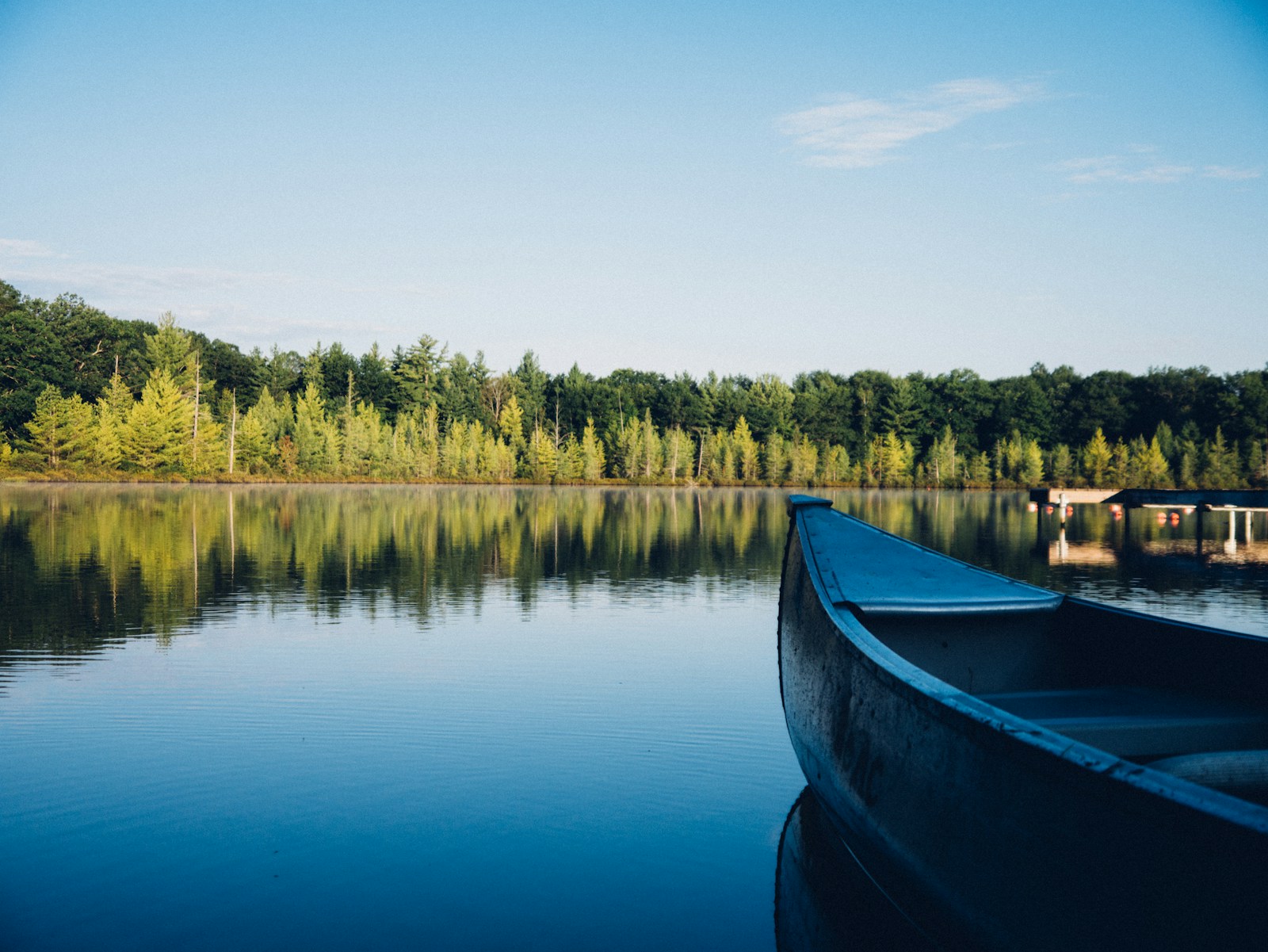
Read

Published: May 27, 2026 · Grand Forks & Boundary Country Real Estate


Grand Forks wins for full-time residents who want town amenities, services, schools, and year-round community. Christina Lake wins for cabin and second-home buyers, summer-focused households, and people who'll pay a meaningful waterfront premium for the warmest tree-lined lake in BC. The two markets are 18 minutes apart and behave like different real-estate cities — the right choice depends on whether you'll be there in February or only in July.


The Two Markets at a Glance

FactorGrand ForksChristina Lake
Average listing price (all types)~$592,000–$633,000 (Zolo; Wahi)~$743,000 (Zolo)
Average detached listing~$752,000~$1,102,000
Active listings (recent)~71 on Realtor.ca~22 houses on the market
Community typeFull-time town, year-round servicesSummer-anchored, lake-and-cabin economy with permanent core
Population (rough)~4,000 in town~1,500 permanent; multiples in summer
Hospital, schools, big groceryYes, in townNo — 18 min west to Grand Forks
Lake / waterfront accessGranby and Kettle Rivers; no big lakeChristina Lake direct
New-build availabilityModest; mostly resaleLimited; mostly resale and cabin redevelopment
Distance to Spokane, WA~2 hr~1.75 hr
Distance to Castlegar regional airport~1 hr~45 min

The headline price gap is real but doesn't tell the whole story — Christina Lake's mix is skewed toward waterfront and lakeview, which carries a clear premium. Comparable inland properties at Christina Lake can be priced close to Grand Forks equivalents.


Price Range and What You Get for the Money

Grand Forks: The detached average around $752,000 spans everything from heritage character homes near downtown to newer infill on the edges, post-war bungalows in established neighbourhoods, and small acreage just outside city limits. Sub-$500,000 detached exists but is competitive. Townhouses average around $439,000; condos around $254,000. Inventory is bigger than Christina Lake's, with more variety.

Christina Lake: The detached average above $1.1M reflects the waterfront premium — direct lake-frontage cabins and homes routinely list well above that mid-point. Off-water and inland Christina Lake properties exist at more modest price points, but the inventory is smaller and the buyer pool is unusually deep for summer-ready properties (buyers come from Alberta, the Lower Mainland, and beyond). The asking-price index in Christina Lake actually softened ~1% year-over-year through May 2026, suggesting some normalization after the pandemic peak.


Year-Round Services vs Seasonal Rhythm

This is the most consequential split, and it's the one most coastal buyers don't fully weigh until after they've moved.

Grand Forks runs year-round. Boundary Hospital, multiple grocery stores, schools, dental and medical clinics, the city's recreational facilities, restaurants, the farmers' market in season, fitness studios, library, community centre — all in town, all running every week of the year. Snow removal, road maintenance, and emergency services are city-level.

Christina Lake has a permanent year-round population, a small grocery, gas, restaurants and cafes that mostly operate seasonally, a community hall, and direct lake access — but for major services (hospital, full-line grocery, schools, big-box, dental, professional services), Grand Forks is the practical hub 18 minutes west. From November through April, the rhythm thins noticeably as seasonal businesses close and second-home owners head back to the coast or Alberta.

If you're going to be at the property full-time year-round, Grand Forks is almost always the more practical choice. If you'll be at the property primarily May–September with occasional shoulder-season visits, Christina Lake's premium can be worth it.


Schools

Grand Forks: Two elementary schools (Dr. D. A. Perley Elementary, John A. Hutton Elementary), Grand Forks Secondary School, and a Selkirk College community campus offering trades and continuing-ed courses. School District 51 serves the area.

Christina Lake: Christina Lake Elementary serves the local community (K–7). Older students typically commute to Grand Forks Secondary. For families with multiple children spanning elementary and high school, the daily commute math is a real factor.


Community Identity

Grand Forks has the texture of a small town with multi-generational identity. Doukhobor heritage is woven into the cultural fabric, agriculture and forestry sit alongside an active small-business and arts community, and the social anchors (the Gallery 2 arts centre, local theatre, farmers' market, community events) run all year. New arrivals are welcomed, and the social network is reachable within a few months.

Christina Lake has a strong recreation-oriented identity — generations of BC families have spent summers here, and that comes with both a tight permanent core and a high seasonal influx. Social life in summer is dense and lively; winter is quieter, with a closer-knit smaller community. If your image of community is "the same hundred people year-round," Grand Forks fits better; if it's "a summer place where everyone gathers," Christina Lake delivers.


New Construction and Renovation

Grand Forks has modest but real new-build activity — mostly small-scale infill, occasional subdivision development on the edges. Renovation of older heritage homes is common; permits and rules are city-level.

Christina Lake has very limited true new construction. Most movement on the market is resale of existing cabins and homes, with significant renovation/teardown activity. Waterfront permitting is tightly regulated by the Regional District of Kootenay Boundary and provincial agencies — riparian setbacks, foreshore licensing, septic on waterfront lots, water-licence status on creeks — and that complexity is a meaningful part of the buying process. Buyers who don't understand these constraints can write offers they later regret.


Insurance, Wildfire, and Flood

Both Grand Forks and Christina Lake sit in landscapes where wildfire and flood mapping matter. Grand Forks' 2018 flood corridor still shapes insurance availability and quotes in specific neighbourhoods. Christina Lake has its own wildfire-zone considerations (forested surrounds, limited access for some properties), and FireSmart status increasingly factors into insurance underwriting.

Pre-screening any property for insurance availability before subject removal is non-negotiable in either market. A Boundary-experienced REALTOR® will run that check early.


Distance to Downtown… What Downtown?

Neither Grand Forks nor Christina Lake is commutable to a major Canadian urban centre. For both, the relevant "downtown" is one of two places:

  • Castlegar / Trail / Nelson corridor (1–2.5 hr east) — regional services, the Castlegar airport, broader Kootenay employment

  • Kelowna (~3 hr west) — major urban centre, international airport, advanced healthcare, full big-box retail

  • Spokane, WA (~2 hr south, cross-border) — practical alternate for shopping, dining, and air travel

Both markets share the same drive-time tax to those urban anchors. The advantage either way is that neither has an actual commute traffic problem.


When Does Grand Forks Win?

Grand Forks is the right choice when:

  • You'll be at the property year-round, full-time

  • You need town-level services (hospital, schools, grocery, professional services) within minutes, not 18 minutes

  • You have school-age children spanning multiple grades and want predictability on commute and access

  • Your budget is in the $400,000–$800,000 detached range and you want maximum optionality on what kind of property you buy

  • You want town character — walkable downtown, community events, year-round social network

  • You're moving for a job, retirement, or relocation where ease of daily life matters more than waterfront access


When Does Christina Lake Win?

Christina Lake is the right choice when:

  • You're buying a cabin, second home, or summer-focused property

  • Lake access is the central reason for buying

  • Your year-round residence is elsewhere (Lower Mainland, Alberta, Saskatchewan) and Christina Lake is the "getaway"

  • You can carry a $1M+ price point for direct waterfront or a $700,000+ price point for lakeview/walkable-to-lake

  • You're prepared for the technical due diligence (foreshore licensing, riparian setbacks, septic, water licences) that comes with waterfront

  • The seasonal rhythm appeals — bigger summer community, quieter winter


Carrying Costs Are Different Between the Two

Owning at Christina Lake costs more annually than owning in Grand Forks at a comparable price point, and the gap is real. Reasons:

  • Waterfront insurance typically costs more than equivalent in-town residential, and many underwriters scrutinize lake properties more carefully (foreshore, wildfire surrounds, dock and outbuilding coverage).

  • Property taxes on waterfront Christina Lake assessments tend to run higher in absolute dollars because the assessed values are higher.

  • Septic on lakefront is more regulated and more expensive to replace when it fails — and modern environmental standards have tightened significantly over the past 15 years, so an older system may not be re-permittable in its current form.

  • Seasonal maintenance — winterizing, opening, dock storage, summer-only utilities — adds operational cost most full-time Grand Forks owners don't carry.

  • Hot-water and electric heat for seasonal use can be surprisingly costly if not managed well (frozen pipe avoidance, etc.).

None of this is a reason to avoid Christina Lake — for many cabin and second-home buyers the math is more than worth it — but model it honestly before you assume the price difference is the whole picture.


Resale Liquidity: Who Buys When You Sell?

Grand Forks resale is a mix of local move-up buyers, retirees, relocating professionals, RCMP and essential-service transfers, and out-of-province buyers seeking small-town affordability. It's a steady, year-round buyer pool. Days-on-market vary with price point and condition, but the pool is broad and reasonably consistent.

Christina Lake resale skews toward second-home, recreational, and out-of-province buyers, with a meaningful seasonal pattern — the strongest selling season runs spring through early fall, and listing in November typically means a slower path to sale. The buyer pool is geographically broader (Alberta, Lower Mainland, Saskatchewan) but more sensitive to broader economic and interest-rate cycles, since second-home demand is more discretionary than primary-residence demand.

Both markets have proven resilience, but the rhythm is different — and that affects how you time a future sale.


What Does Casie Schellenberg Observe in This Market?

Casie covers both markets actively, and the pattern she sees most often is this: buyers initially fall in love with Christina Lake on a July weekend, then realize after closer planning that their actual life — work, kids, healthcare, year-round social network — is going to happen primarily in Grand Forks. Her recommendation in those cases is usually to anchor the primary residence in Grand Forks and consider a cabin or seasonal property at the Lake as a separate decision later, once full-time life is established. The reverse also happens: buyers who plan to be primarily seasonal sometimes discover they want year-round access to services and shift their Lake plans toward a Grand Forks base. The two markets are close enough that switching mid-search is realistic, but only with an agent who actively works both inventories.


Travel Time From Common Origin Markets

For buyers coming from outside the region, the drive-time math is identical for both Grand Forks and Christina Lake (they're 18 minutes apart). A few common origin distances worth knowing:

  • Vancouver / Lower Mainland: ~8–9 hr drive via the Coquihalla and Highway 3 (the Hope-Princeton)

  • Calgary: ~10–11 hr drive via Highway 3 across the Kootenays

  • Edmonton: ~12–13 hr drive

  • Kelowna: ~3 hr drive (a common day-trip distance)

  • Spokane, WA: ~2 hr drive across the border

  • Castlegar regional airport: ~1 hr east of Grand Forks (limited daily WestJet/Air Canada service to Vancouver and Calgary)

The practical takeaway: neither market is a short hop from a major airport. If you're a frequent flyer for work, model the recurring time cost of getting to Castlegar, Kelowna, or Spokane and back. For everyone else, the drive-time to either Grand Forks or Christina Lake is roughly the same.


Talk Through Which One Fits Your Life

Grand Forks vs Christina Lake is one of the most common decisions Boundary buyers face, and the right answer is genuinely household-specific. To talk through your situation — full-time vs seasonal, schools and healthcare, budget, lake access priorities, and the real trade-offs — connect with Casie Schellenberg, PREC*, REALTOR® at eXp Realty.

Call Casie at 778-209-0305 or email casie@buysellgrandforksbc.com.


Related Reading


© 2026 Casie Schellenberg Personal Real Estate Corporation
Read

Published: May 27, 2026 · Grand Forks & Boundary Country Real Estate


Grand Forks is right for buyers who want BC mountain-and-river lifestyle, real housing affordability versus the coast and Okanagan, and a small-town pace that runs at human speed. It's not right for buyers who need immediate specialist healthcare, big-city career networks, busy nightlife, or short transit times to a major airport. The math works powerfully for some households and quietly against others.


What Grand Forks Actually Is (Quick Context)

Grand Forks sits in the Boundary Country region of southern BC, near the Washington state border, about 3 hours east of Kelowna and 2 hours west of Trail/Castlegar. Population is roughly 4,000 in town, with another ~5,000 in the surrounding rural area. The town centre sits at the confluence of the Granby and Kettle Rivers in a wide, sunny east–west valley. Heritage is strong — Doukhobor settlement history shapes a meaningful part of the local cultural identity — and the economy is a mix of forestry, agriculture, small business, tourism (especially Christina Lake summer trade), and increasingly remote workers and retirees from the coast.

Now the honest list.


The Pros

1. Real housing affordability vs the coast and Okanagan

This is the headline reason most people move here. Grand Forks home prices run roughly 22% below the BC average (AreaVibes). Detached single-family listings average around $752,000 in town, with condos near $254,000 and townhouses near $439,000 (Zolo, May 2026). Compared to a Vancouver detached benchmark above $2M or a Kelowna detached benchmark above $1M, the equity unlock for households moving from those markets is substantial. Many coastal sellers buy outright in Grand Forks and bank the difference.

2. Climate that actually has four seasons (and a real summer)

The Boundary sits in one of the warmer, sunnier pockets of southern BC interior. Summers regularly run 25–33°C with low humidity, autumns are long and colourful, winters are real but moderate by interior BC standards, and spring is genuinely spring (not Vancouver's six-month grey). Christina Lake — 18 minutes east — is the warmest tree-lined lake in BC, and that adds up to a meaningful lifestyle bonus from May through September.

3. Outdoor recreation density most BC towns can't match

For a town of 4,000, the Boundary has remarkable recreational range: Christina Lake for water sports, Phoenix Mountain Ski Hill for downhill, the Granby and Kettle Rivers for paddling and fishing, extensive Trans-Canada / Columbia & Western Rail Trail access for cycling and walking, and a hunting/fishing/foraging culture that's still genuinely active. A weekend can include lake swimming, mountain biking, and a riverside dinner without leaving the region.

4. Cost of living below BC average across most categories

Headline number: ~8% below BC average overall (AreaVibes). The biggest savings sit in housing, property tax (moderate by BC standards), and a slightly lower overall services-and-dining envelope. Groceries are close to par, but produce in summer/fall is enhanced by a strong local agricultural base and active farmers' markets.

5. Community character that hasn't been flattened

Grand Forks has retained an identity — Doukhobor heritage, agriculture, a tight community of small business owners, a cultural scene anchored by Gallery 2 and local theatre, and a meaningful number of multi-generation families. New arrivals are welcomed, but the town hasn't been gentrified into anonymity. If you're moving here for character, it's actually here.

6. Cross-border access

Grand Forks is a border town. The Washington state border crossing is right at town, which means access to Spokane (~2 hr drive) for a different shopping and dining options, the Pacific Northwest road-trip universe, and the practical advantages (and complications) of cross-border life. Many residents make periodic Spokane trips for specialty shopping or US-side travel.

7. Pace of life that runs at human speed

This is harder to quantify but easy to feel. Mornings start slower. The grocery store knows your name within a few months. Traffic isn't a thing. People stop and talk. For families with young children, retirees, remote workers, or anyone burnt out from coastal pressure, the Boundary pace is genuinely restorative.


The Cons (Honest)

1. Healthcare access is real, but specialist depth is limited

Boundary Hospital handles emergency, inpatient, and many outpatient services. But attaching to a family physician isn't guaranteed and can take time (a province-wide reality, not unique to Grand Forks — register on the Health Connect Registry). For complex specialist care, advanced diagnostics, or sub-specialty consults, you may need to travel to Kelowna, Trail, Penticton, or further. If you have an ongoing complex medical condition, model this honestly before you commit.

2. Distance to major amenities and airports

Closest major airport is Kelowna (~3 hr drive) or Spokane (~2 hr drive across the border). Closest large-scale shopping and big-box density is also Kelowna or Spokane. Castlegar's regional airport (~1 hr east) has limited daily service to Vancouver and Calgary. If frequent business travel or quick weekend trips to a major city are part of your life, factor in the drive-time tax.

3. Wildfire and flood awareness is part of the picture

Grand Forks experienced a major flood in May 2018 that reshaped insurance availability and property valuations in several neighbourhoods (CBC News coverage). The municipal buyout program affected approximately 100 properties in North and South Ruckle. Wildfire seasons across the Boundary have become more intense in recent years, and insurance underwriters now scrutinize wildfire hazard zones and FireSmart status closely. None of this should rule out Grand Forks for a buyer who's prepared — but it does mean that pre-screening properties for flood corridor, wildfire risk, and insurance availability needs to happen before you fall in love, not after subject removal. This is where a REALTOR® with rural and post-flood expertise earns their fee.

4. Limited career networks outside specific sectors

If your career depends on dense professional networks (tech, advanced finance, biotech, large-firm law, advanced specialty medicine), Grand Forks won't provide the in-person ecosystem that Vancouver, Calgary, or even Kelowna offers. Remote work makes this less binding than it used to be, and self-employed/contractor work is the bulk of incoming-resident professional activity. But if your industry requires daily in-person collaboration with peers in your field, model that constraint before you move.

5. Small rental market and tight childcare

Long-term rental supply is limited and turns over quickly. Childcare availability is tight (again, province-wide reality). If you're moving with a young family and need full-time care immediately, start the waitlist process before you arrive.

6. Winters require winter prep — including for rural properties

This is the Interior. Snow tires are non-negotiable. Power outages happen. Driveway plowing on rural properties is your responsibility. Wood-heating systems need WETT certification for insurance. Frozen pipes in vacant cabins are a real hazard. None of these are dealbreakers — millions of Canadians live with them — but coastal buyers should not underestimate the season change.


Who Should Move to Grand Forks?

Based on who's actually buying here right now, Grand Forks works particularly well for:

  • Coastal retirees and pre-retirees unlocking equity, looking for a slower pace and a real garden, ready to drive for major travel

  • Remote workers with location-flexible jobs who want lifestyle and affordability without giving up reliable internet

  • RCMP, healthcare, and essential-service transfers posted to the region (Casie has specific experience with these files — her husband is an RCMP early retiree)

  • First-time buyers priced out of larger BC markets who can carry a small detached home or townhouse here at numbers that would barely buy a Vancouver one-bedroom

  • Buyers seeking acreage and rural lifestyle — small farms, hobby ranches, lifestyle properties — at prices the Okanagan and Cariboo no longer offer

  • Cabin and second-home buyers focused on Christina Lake recreation

  • Families looking for a small-town community character with real outdoor access and a smaller school environment


Who Might Look Elsewhere?

Honest counter-list. Grand Forks may not be the right fit if:

  • You require routine specialist medical access that isn't available locally (model the specific specialty and the travel time)

  • Your career requires daily in-person urban networking in a sector without a Boundary presence

  • You need short-notice access to a major international airport for frequent business travel

  • You want urban density, walkable nightlife, or extensive cultural programming

  • You're not prepared for real Interior winters and the prep that goes with them

  • You're hoping to buy a rural acreage as a financial investment without understanding water-licence status, septic, wildfire, and insurance constraints

For some of those, a slightly different market — Castlegar, Trail, Nelson, Penticton, Kelowna — may match better. A good REALTOR® will say so honestly rather than push you into the wrong fit.


The Cross-Border Factor (Honest Read)

Living in a border town is a real lifestyle ingredient, both ways. Spokane (~2 hr south) opens up a substantially larger consumer market — bigger grocery stores, more specialty retail, US-side restaurants, and easier access to a major airport (GEG) with more direct flights than Castlegar offers. Many Grand Forks residents do a Spokane trip every 4–8 weeks for stocking up and a weekend out.

The complications are also real: NEXUS cards make the crossing manageable but the Carson, Cascade, and Midway border posts have variable hours, occasional delays, and the standard rules around what you can and can't bring back. Cross-border online shopping (Amazon US, etc.) is only sometimes worth it once duties and brokerage are factored. And cross-border banking (Canadian credit cards used in the US, US bank accounts for residents) is a topic worth understanding before you assume.

For buyers from the Lower Mainland or Alberta who haven't lived in a border town before, the border is a net positive — but it's a feature that requires a little planning rather than something that just happens passively.


What About Property Taxes, Strata Fees, and Recurring Costs?

For full carrying-cost modelling, see the cost-of-living post. Short version: Grand Forks property taxes are moderate by BC standards (roughly 0.6%–0.9% of assessed value annually), the BC Home Owner Grant (Northern and Rural category, higher than basic) applies to most Boundary properties, and strata fees only matter for the small portion of inventory that's strata-titled (some condos, a small number of townhouse complexes). For most detached and acreage buyers, strata isn't part of the picture.

Recurring rural-property costs that surprise some incoming buyers:

  • Septic pumping every 3–5 years (~$300–600 per pump)

  • Well testing and occasional UV/filtration maintenance

  • Driveway plowing if you don't own a tractor or plow

  • Wildfire fuel-reduction work (clearing brush, thinning trees) every few years

  • Wood-heat appliance maintenance and WETT recertification

  • Insurance review every 1–2 years, especially after any wildfire or flood news

None are deal-breakers; most are very modest in absolute dollars. They just add up to a slightly fatter monthly carrying-cost line than a coastal condo buyer might be used to.


What to Do Before You Commit

If Grand Forks is on your shortlist, three steps before you write an offer:

  1. Spend at least one off-season weekend here — not just July. November or February tells you more about Grand Forks than August does. Drive Highway 3 in light snow. Visit the grocery store on a Tuesday at 5pm. Sit in a coffee shop and notice the social fabric.

  2. Get clear on healthcare attachment timing — register on the Health Connect Registry early, identify specialist needs, plan the realistic timeline. If you have an ongoing complex condition, talk to your current specialist about the practical reality of remote consult vs in-person travel.

  3. Pre-screen any property (especially rural or acreage) for flood corridor, wildfire hazard, insurance availability, well/septic/water-licence status before you fall in love. This is the single most valuable thing a Boundary-experienced REALTOR® does for incoming buyers. The check costs you nothing up front; skipping it can cost you tens of thousands later.

To work through whether Grand Forks fits your specific situation — household, career, healthcare needs, and budget — connect with Casie Schellenberg, PREC*, REALTOR® at eXp Realty. Casie helps incoming buyers run the honest math before they commit, including the post-flood and rural due-diligence work that protects you from late surprises.

Call Casie at 778-209-0305 or email casie@buysellgrandforksbc.com.


Related Reading


© 2026 Casie Schellenberg Personal Real Estate Corporation

Read

Published: June 10, 2026 · Grand Forks & Boundary Country Real Estate


Greenwood is among the most affordable places to buy a home in British Columbia — serviced lots run roughly $38,000–$60,000 and detached and heritage homes commonly sit far below the $615,700 Kootenay–Boundary single-family benchmark. But the low entry price is not the whole bill: older-home carrying costs, insurance, a tiny local job base, and real distance to services offset much of the headline saving. Cheap, here, is not the same as free.


Why Greenwood Is So Cheap

It's tempting to assume a town where homes cost a fraction of the regional average must be somehow broken. Greenwood is not. It is a genuine, functioning incorporated city — Canada's smallest, incorporated in 1897, with its own council, water utility, elementary school, museum, and a near-intact 1890s–1900s gold-boom main street. The low prices are structural, not a sign of dilapidation.

Four forces drive the affordability. First, size: at roughly 700 people, Greenwood has a thin housing market with only ~20–30 active listings at any time and single-digit monthly sales (REALTOR.ca, June 2026). Demand is episodic and almost entirely external. Second, remoteness: Kelowna is about 200 km away and Grand Forks — the nearest hospital and full-service shopping — is 40 km east. Third, the employment base: median household income is roughly $42,709, about 51% below the BC average (AreaVibes), because there simply aren't many local jobs. Fourth, the aging housing stock: roughly 45% of Greenwood's homes were built before 1960, and older homes carry costs and risks that newer ones don't.

Those are the same forces that make rural BC affordable everywhere — distance from jobs and services, plus an older inventory — not a defect unique to Greenwood. Understanding that distinction is the difference between buying a smart, cheap home and buying a problem.


Housing: The Headline Saving

Housing is where Greenwood does almost all of its affordability work, and the gap is dramatic.

Set that against the regional and urban benchmarks. The Kootenay–Boundary single-family benchmark from the Association of Interior REALTORS® is $615,700 (May 2026, +4.4% year-over-year), with townhouses at $496,700 and condos at $331,900 (Grand Forks Gazette, June 5 2026). Greenwood sits far below even that already-modest regional figure. Compare it to a Greater Vancouver detached benchmark north of $2M or Kelowna detached running past $1M, and a mid-market Greenwood home can cost less than a down payment on the coast.

The most striking arbitrage isn't even residential. Greenwood's historic downtown brick blocks — 10,000-square-foot commercial buildings in a 60-plus heritage-building streetscape — have traded for roughly the price of the smallest Vancouver apartment, as the town's own mayor has put it (CBC, 2016). That arbitrage is real, and it's drawn out-of-town buyers who've revived hotels, restaurants, and shops. But — and this is the recurring theme of this guide — the purchase price of a century-old brick building is the cheapest part of owning one.

Because the market is so thin, a single sale can swing the "average." Treat Greenwood figures as directional ranges, not precise comps, and lean on a REALTOR® who quotes you actual recent sales rather than an MLS® average distorted by one unusual transaction.


What the Cheap Price Doesn't Include

The single most important thing to understand about Greenwood: the listing price is the floor, not the ceiling, of what an older home costs you. Roughly 45% of the stock predates 1960, and a century-old heritage home can be a beautifully preserved character property or an insurance-and-foundation puzzle — and the difference is rarely visible from the curb.

Here's what the headline saving doesn't price in:

  • Insurance. Older homes — especially those with knob-and-tube wiring, galvanized or cast-iron plumbing, oil tanks, or aging roofs — can be harder and costlier to insure, and some carriers decline outright until systems are updated. Get an insurance quote before subject removal, not after, so a cheap purchase doesn't become an uninsurable one.

  • Foundation and systems unknowns. Stone or rubble foundations, undersized electrical panels, and original plumbing are common in pre-1960 homes. Budget for a thorough inspection and, often, a phased program of updates.

  • Heritage-character considerations. On heritage-listed structures, exterior changes may carry character considerations — confirm what you can and can't alter before you plan a renovation.

  • The real cost of a heritage home. A $250,000 purchase that needs wiring, a foundation repair, a roof, and insurance-driven upgrades can quietly become a $350,000–$400,000 project. That can still be a genuine bargain — but only if you priced the work going in.

None of this is a reason to avoid Greenwood. It's a reason to do older-home due diligence properly, so the house is a project you chose rather than a surprise you inherited.


Property Tax and the Water-Upgrade Reality

Greenwood property taxes are set annually by the City of Greenwood, and you should confirm the current mill rate directly with City Hall — the former wooden courthouse that now serves as the city's seat — before you model your budget. As a rough planning anchor, small-municipality BC taxes often land in the area of 0.6%–1.0% of assessed value once municipal, regional, school, and hospital portions are combined; on Greenwood's low assessed values, the dollar figure is modest. But the trend deserves a candid conversation, and it centers on water.

Greenwood's untreated aquifer water is genuinely famous: it won "Best Municipal Tap Water in the World" at the 2012 Berkeley Springs International competition (WSABC). That's a real point of pride and, for many buyers, a quality-of-life draw.

Here's the other side, told honestly. New provincial drinking-water standards forced a roughly $5-million treatment and infrastructure upgrade — chlorination, wells, and reservoir work — and the city is carrying about $1.5 million from reserves to fund it, all on a tax base of under $1 million. As the city's CAO Dean Trumbley put it, "When we only have a tax base of under a million, it's pretty significant" (CBC). The arithmetic is unavoidable: a small number of ratepayers funding a multi-million-dollar system means upward pressure on utility rates and taxes over time.

The reassurance: the water is safe — the city's 2024 reporting showed all regulated substances within limits — and the upgrade is what keeps it that way. The honest takeaway for a buyer is simply to budget for a town of 700 funding its own infrastructure, and to confirm current and projected rates with the City before you commit. It's a small line, but it's a real one.


Utilities, Heating, and Internet

A heritage home's charm and its energy bill pull in opposite directions, so utilities are worth modelling carefully in Greenwood.

  • Heating and efficiency. Older, character homes are often less insulated and less airtight than newer builds, which means heating works harder through a continental Boundary winter. Many homes use a mix of electric, natural gas, or wood heat. BC Hydro electricity rates are among the lowest in Canada, which helps, but a drafty pre-1960 house can still run a meaningful winter bill. Ask the seller for 12 months of utility history before you write, and factor insulation upgrades into your older-home budget. Wood heat is comparatively cheap in the region but carries WETT-certification and insurance-documentation requirements that affect resale.

  • Water and sewer. In-town properties are on the City of Greenwood system (see the tax-and-water section above); rural-edge properties toward Boundary Creek or Jewel Lake may be on well and septic, which trade utility bills for periodic septic pumping, well testing, and possible filtration.

  • Internet. Better than the "off-grid" assumption suggests. Greenwood has multiple providers including fixed-wireless and fibre options in parts of town, with Starlink as a rural fallback (findinternet.ca). Budget roughly $80–$180/month depending on technology and address. The catch is that service quality varies by exact property, so verify the specific connection before you commit — this is essential if remote income is what makes Greenwood affordable for you.

A reasonable all-in utility envelope for a mid-size older home lands roughly in the $300–$550/month range averaged across the year, with winter peaks notably higher on a poorly insulated house.


Transportation and Services Distance

Greenwood behaves like a small town in the one category that doesn't show up in a listing price: you drive for almost everything, and that's a real, ongoing cost in time and money.

  • Grand Forks (~40 km east) is the nearest Boundary Hospital, full grocery, and big-shopping run.

  • Midway (~10 km west) has village services and Boundary Central Secondary, where Greenwood's secondary students bus.

  • Kelowna (~200 km) is the nearest major airport, advanced healthcare, and big-box shopping — a periodic, not weekly, trip.

  • Spokane, WA (~2–2.5 hours) is a common cross-border run for shopping and the nearest large US airport.

There's no meaningful local transit, so most households are one- or two-car families and need reliable four-season vehicles. The offset is that you spend almost no time in traffic, fuel runs slightly cheaper than the coast, and ICBC premiums can be modestly lower in a low-density area. Most two-car households can model roughly $800–$1,200/month all-in for fuel, insurance, maintenance, and depreciation — but if you're commuting to Grand Forks for work daily, that 40-km-each-way drive belongs in your housing math, not as an afterthought.

The deeper point is services distance generally: a family doctor in the Boundary can take time to attach to, specialized care means a drive to Trail or Kelowna, and groceries beyond the basics mean a trip to Grand Forks. None of this is a dealbreaker for the right buyer — it's simply a cost that a low purchase price disguises.


Income and Jobs

Here is the structural fact that makes Greenwood's affordability conditional: the local employment base is tiny, and median household income is roughly $42,709 — about 51% below the BC average (AreaVibes).

That number isn't a warning so much as a description of who Greenwood actually works for. The buyers who thrive here generally aren't relying on a local paycheque. They are retirees trading coastal or Okanagan equity for low carrying costs, remote workers bringing an outside income to a place where housing barely dents it, and lifestyle-business buyers purchasing one of the heritage commercial blocks to run a shop, café, or short-term-rental operation. The town's quiet revival has been driven precisely by out-of-town buyers, not by a booming local job market.

If your plan depends on finding a job in Greenwood, the affordability math gets much harder. If you bring income with you — pension, remote salary, self-employment, or business revenue — the low cost of living becomes a genuine advantage. Be honest with yourself about which category you're in before you fall for the price tag.


Modelling Comparison: Greenwood vs Region vs Urban

The figures below are rough monthly estimates for a household owning a typical home — modelling numbers to give you a comparison frame, not quotes. Your actual costs will vary with the specific property, its age and condition, your mortgage, and your driving. Greenwood-specific data is statistically thin, so treat these as directional.

CategoryGreenwood (est.)Kootenay–Boundary region (est.)Urban BC — Vancouver/Kelowna (est.)
Mortgage (P&I)~$1,800 on a $300k home @ 5%~$3,600 on $615k benchmark @ 5%~$8,000+ on a $1.3M+ home @ 5%
Property tax~$150–300/mo (confirm w/ City)~$300–450/moOften higher
Utilities (older-home heat, hydro, water, internet)~$300–550 (winter peaks higher)~$300–500~$400–650
Older-home reserve (insurance + maintenance)~$300–600 (heritage premium)~$200–350~$150–300
Transportation (2 cars, fuel, insurance)~$800–1,200~$800–1,200~$900–1,400
Rough total~$3,350–4,850~$5,200–6,500Substantially higher

The single biggest mover, by far, is the mortgage line — that's the headline saving. But notice the older-home reserve row: in Greenwood it's higher than the regional figure, not lower, because the affordable homes are the old ones. The saving is enormous; it's just partly given back through carrying costs that a sticker price never shows.


Is Greenwood Affordable for You?

For the right buyer, Greenwood is one of the strongest affordability stories in British Columbia. If you can bring a pension, remote income, or a business, you can own a heritage home — or even a brick commercial block — for a fraction of any coastal or Okanagan number, in a quiet community with famous water, clean air, and roughly 90% home ownership. The biggest cautions, all of which a low price disguises:

  1. Older-home carrying costs. Insurance, foundation, wiring, and heating on a pre-1960 home can quietly add a third to your real cost. Get the inspection and insurance quote before subject removal.

  2. The water-and-tax trend. A town of 700 funding a ~$5M water upgrade means utility and tax pressure over time. Confirm current rates with the City of Greenwood.

  3. Services distance. Grand Forks 40 km, Kelowna 200 km, and a drive-everything reality belong in your monthly math.

  4. The job base. Affordability works if you bring income; it gets hard if you need a local one.

To run your actual numbers — mortgage scenario, older-home reserve, utilities, and the carrying costs that headline averages hide — connect with Casie Schellenberg, PREC*, REALTOR® at eXp Realty. And when you're ready to see what's available, browse Greenwood homes for sale.

Call Casie at 778-209-0305 or email casie@buysellgrandforksbc.com.


About the Author

Casie Schellenberg, PREC*, is a REALTOR® with eXp Realty and the principal of Casie Schellenberg Personal Real Estate Corporation, serving Greenwood and the Boundary Country. She holds the ABR®, SRES®, and CLHMS® designations, is a 3X eXp Realty ICON Award winner, and carries 71 client reviews at 4.98/5.0 (46 five-star Google, 25 verified RankMyAgent).

Casie's specialty is exactly the problem this post describes: modelling the true carrying cost of a cheap older or rural home before a buyer commits. Her Kamloops-era practice — selling residential and rural properties across Lillooet, Ashcroft, Clinton, Lytton, Gold Bridge, and Barrière — was built on pre-1960 stock and small-market due diligence, where insurance availability, foundation condition, and services distance decide whether a low price is a bargain or a trap. In Greenwood, she runs those numbers with you up front, so the home you buy is the one you actually budgeted for. Reach Casie at 778-209-0305 or casie@buysellgrandforksbc.com.


Related Reading


© 2026 Casie Schellenberg Personal Real Estate Corporation
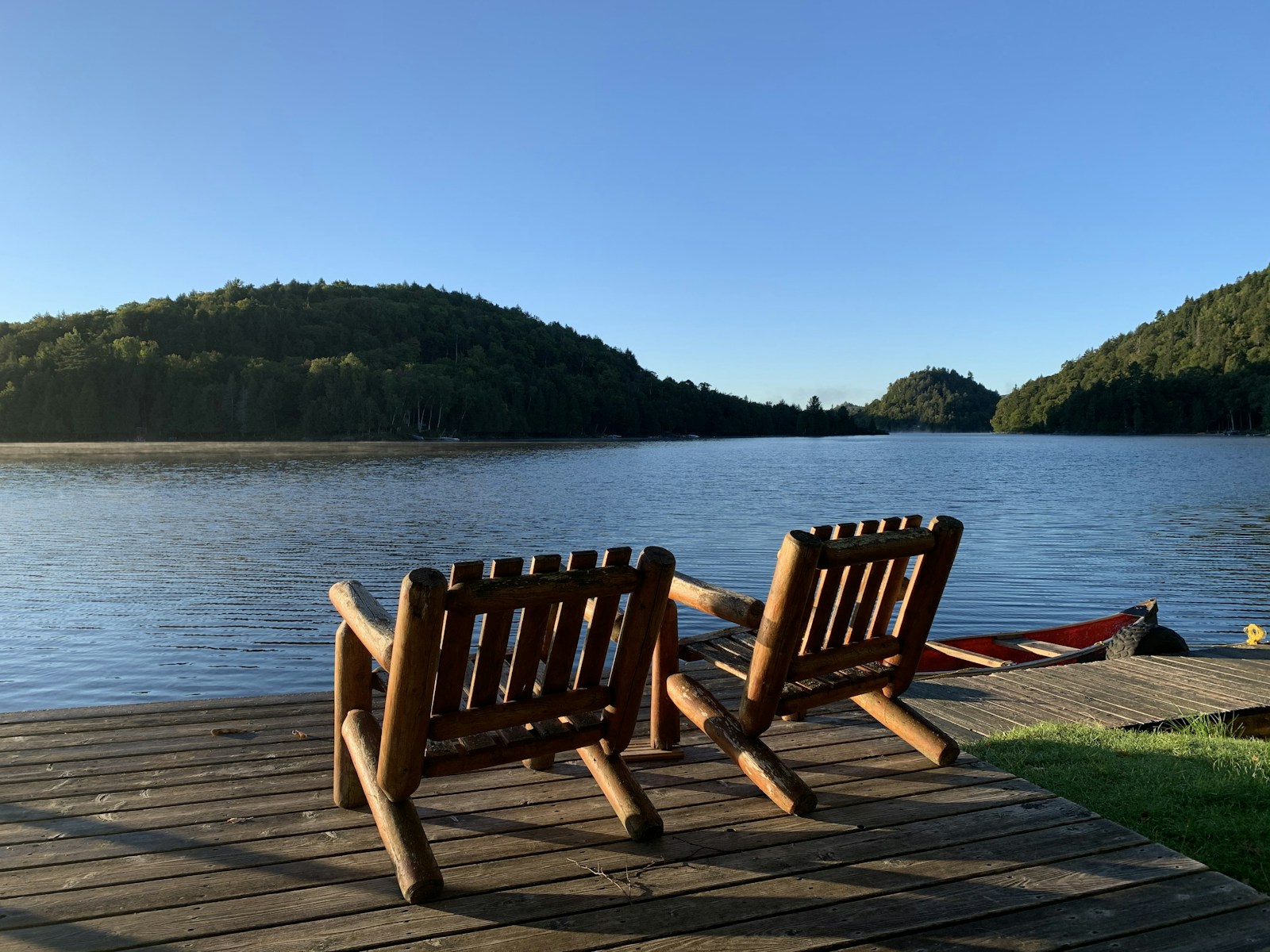
Read

Published: June 10, 2026 · Grand Forks & Boundary Country Real Estate


Greenwood wins for buyers chasing the lowest prices, heritage character, and quiet — people who don't need a local job or in-town services and are happy to drive for them. Grand Forks wins for full-time residents who want the hospital, a secondary school, real grocery and shopping, and a larger, more liquid market. The two sit 40 km — about 30 minutes — apart on Highway 3, so the choice is affordability versus services, not one region versus another.


The Two Towns at a Glance

FactorGreenwoodGrand Forks
Serviced lot price~$38,000–$60,000 (REALTOR.ca, June 2026)Higher; limited in-town inventory
Typical detached / home price~$120,000–$420,000 (mid ~$300K–$420K) (Zolo, June 2026)~$592,000–$633,000 all types; ~$752,000 detached (Zolo; Wahi)
Population (rough)~700~4,000
Active listings (recent)~20–30 (all types)~71 on REALTOR.ca
SchoolsGreenwood Elementary (grades 4–7); secondary buses to MidwayTwo elementary schools + Grand Forks Secondary in town
HealthcareBoundary Hospital ~40 km eastBoundary Hospital in town
Grocery / shoppingLimited; major shopping in Grand ForksFull grocery, retail, services
Community typeHeritage, ~90% ownership, very quietFull-time town, year-round services
Commute between the two~40 km / ~30 min on Highway 3
Regional single-family benchmark$615,700 (both far below for Greenwood)$615,700 (Grand Forks tracks closer)

The regional benchmark is the Kootenay–Boundary single-family figure of $615,700 (+4.4% year-over-year, May 2026) from the Association of Interior REALTORS® via the Grand Forks Gazette, June 5 2026. Greenwood sits dramatically below it; Grand Forks tracks much closer to it. That single number frames the whole decision — you are trading roughly half the price for the services that the price difference pays for.

A caution on the Greenwood column: with single-digit monthly sales, those are directional ranges, not precise averages. One unusual sale can swing the "typical" figure, so treat them as a band rather than a benchmark.


Where Greenwood Wins

Price, first and most obviously. Greenwood offers some of the lowest entry points in British Columbia — serviced lots from roughly $38,000 and detached homes commonly in the $120,000–$420,000 range, against a regional single-family benchmark of $615,700. A buyer with coastal or Okanagan equity can often own outright in Greenwood for what a down payment looks like elsewhere. For retirees on fixed incomes and remote workers who've decoupled pay from location, that gap is the entire reason to look here.

Heritage character you can't manufacture. Greenwood was incorporated in 1897 as a gold-rush and copper-smelter boom town and still carries the title of Canada's smallest city. It has 60-plus heritage buildings and a near-intact 1890s–1900s streetscape, including the wooden former courthouse that now serves as City Hall. It's also a town of real historical weight — Greenwood was Canada's first Japanese-Canadian internment site in 1942, commemorated today at Nikkei Legacy Park, with the Greenwood Museum and Visitor Centre telling the fuller story. That density of character is rare and, frankly, can't be bought in a newer town at any price.

Quiet, and a high-ownership community. At roughly 700 people with around 90% home ownership, Greenwood is genuinely quiet and genuinely settled. There's no traffic problem, no sprawl, and a small, durable year-round community. For buyers escaping urban density, that stillness is a feature, not a compromise.

The brick-block opportunity. Greenwood's signature arbitrage is its historic downtown commercial buildings, which periodically trade for roughly the price of a metro-Vancouver condo — the Mayor once framed it as a 10,000-square-foot brick building for the price of the smallest Vancouver apartment (CBC, 2016). For a buyer with a live/work or small-business plan, there's nothing comparable in Grand Forks at that price.


Where Grand Forks Wins

The hospital is in town. Boundary Hospital sits in Grand Forks, with more specialized care available in the Trail corridor at Kootenay Boundary Regional Hospital. For anyone managing a health condition, planning a retirement with foreseeable medical needs, or simply unwilling to drive 40 km for emergency care, having the hospital in town rather than 30 minutes away is decisive.

A full secondary school, in town. Grand Forks has two elementary schools and Grand Forks Secondary School, plus a Selkirk College community campus for trades and continuing education, all under School District 51. Families with high-school-age children avoid the daily bus commute that Greenwood households accept.

Full grocery and shopping. Grand Forks runs the kind of everyday retail — full-line grocery, pharmacy, hardware, dental and medical clinics, restaurants, a seasonal farmers' market — that a town of 700 simply cannot support. In Greenwood, the weekly shop is partly a Grand Forks errand. In Grand Forks, it's a five-minute drive.

A bigger, more liquid market. With roughly 71 active listings against Greenwood's 20–30, Grand Forks gives buyers far more to choose from and far more comparable sales to price against — and gives sellers a broader, steadier buyer pool when it's time to exit. Liquidity matters more than people expect; a thin market cuts both ways.

More services overall. City-level snow removal, road maintenance, recreation facilities, a library, and a year-round social calendar all come standard with a town four times Greenwood's size. The everyday friction of living is simply lower.


Services, Schools, Healthcare: The Practical Gap

The 40 km between the two towns is the whole decision, so it's worth being concrete about what it means day to day. At highway speeds it's about 30 minutes each way along Highway 3 — an easy, scenic drive in summer, a more deliberate one when winter weather or summer wildfire smoke moves through the Boundary.

For a Greenwood household, that distance shapes the weekly rhythm. Major grocery runs, most retail, professional services, dental and many medical appointments, and the hospital all live in Grand Forks. None of that is a hardship for someone who's organized about it — you batch errands, you don't pop out for one item — but it's a real adjustment for anyone used to having everything within five minutes. The most common Greenwood buyer regret isn't the house; it's underestimating how often "I'll just drive to Grand Forks" turns into a 60-minute round trip.

Schools sharpen the point. Greenwood Elementary serves grades 4–7 in town with a very small enrolment, but secondary students bus the other direction — roughly 10 km west to Boundary Central Secondary in Midway. So a Greenwood family with kids spanning elementary and high school is managing two different school towns, neither of them the one with the hospital. A Grand Forks family keeps elementary and secondary in the same town as their healthcare and shopping. For households with school-age children, that consolidation is often the single biggest argument for Grand Forks.

Healthcare deserves the same honesty in both towns. Boundary Hospital is the regional facility either way; the difference is whether it's in your town or 30 minutes from it. And as is true across rural BC, attaching to a family doctor can take time regardless of which town you choose — that's a Boundary reality, not a Greenwood-only one.


The Money Question

So what does the price difference actually buy? Put the two side by side: a mid-market Greenwood home around $300,000–$420,000 against a Grand Forks detached average near $752,000. The Greenwood buyer is often saving $300,000 or more on purchase price — and in many cases carrying no mortgage at all, which changes the entire monthly math.

What that saving buys, in plain terms, is distance from services. Spend the Greenwood price and you get heritage character, near-zero or no mortgage, and a 30-minute drive to the hospital, the high school, and the full grocery store. Spend the Grand Forks price and you get all of those within your own town, plus a larger and more liquid market to buy into and sell out of later.

There's also a carrying-cost footnote unique to Greenwood. The town's celebrated untreated aquifer water — winner of "Best Municipal Tap Water in the World" at the 2012 Berkeley Springs competition — now has to meet new provincial standards, forcing a multi-million-dollar treatment and infrastructure upgrade that a sub-$1-million tax base is carrying (CBC). As CAO Dean Trumbley put it, "When we only have a tax base of under a million, it's pretty significant." The water is safe and within all regulated limits; the honest caveat is upward pressure on Greenwood taxes and utility rates over time. It's a small number against a $300,000 purchase saving, but it belongs in the model.

Who does each suit? Greenwood fits the buyer whose income doesn't depend on the town — retired, remote, or buying a business — and who treats the drive to Grand Forks as a fair trade for the price. Grand Forks fits the buyer whose daily life happens in town: work, kids, healthcare, errands, and a year-round social network all within minutes. Neither is "better." They're answers to different questions. (For a line-by-line breakdown of what daily life costs in each, see Cost of Living in Greenwood and the Grand Forks cost-of-living guide.)


When Greenwood Wins

  • Your income is portable or you're retired — you don't need a local job

  • Lowest possible purchase price is the priority, ideally mortgage-free or close to it

  • You want heritage character or a downtown brick-block live/work project

  • Quiet, low-traffic, high-ownership small-town living is the goal

  • You're organized about errands and comfortable batching trips to Grand Forks

  • You don't have high-school-age kids, or the school-town logistics don't bother you

  • You're escaping the city and the 30-minute services drive reads as a feature, not a cost


When Grand Forks Wins

  • You'll live in the town full-time, year-round

  • You want the hospital, secondary school, and full grocery within minutes, not 30 minutes away

  • You have school-age children spanning multiple grades and want them in one town

  • You're managing a health condition or planning ahead for medical needs

  • You want a bigger, more liquid market — more selection buying, broader buyer pool selling

  • Ease of daily life matters more than squeezing the price to the floor

  • You want town-level services (recreation, library, snow removal, year-round events) as standard


What Casie Observes in This Market

The pattern Casie sees most often is a buyer who falls for Greenwood's price and character online, then works through what the 40 km really means once school, healthcare, and weekly errands are on the table. For retirees and remote workers with portable income, Greenwood frequently wins outright — the saving is enormous and the drive is genuinely manageable. For families with high-school-age kids, or anyone with ongoing medical needs, the conversation usually moves toward Grand Forks, where the hospital, the secondary school, and the grocery store all sit in the same town. Because the two are only 30 minutes apart on Highway 3, switching focus mid-search is realistic — and Casie works both inventories, so a buyer who arrives set on one town and lands in the other hasn't lost any ground. Her job is to make sure the choice is made on full information, not on the listing photos alone.


About the Author

Casie Schellenberg, PREC*, is a REALTOR® with eXp Realty and the principal of Casie Schellenberg Personal Real Estate Corporation, serving Greenwood and the Boundary Country. She holds the ABR®, SRES®, and CLHMS® designations, is a 3X eXp Realty ICON Award winner, and carries 71 client reviews at 4.98/5.0 (46 five-star Google, 25 verified RankMyAgent).

Casie covers the whole Highway 3 corridor — Grand Forks, Greenwood, Midway, and the rural Boundary in between — which is exactly why the Greenwood-versus-Grand-Forks question is one she answers well. She doesn't sell a town; she right-sizes the town to your budget and life stage, weighing the price gap against the services gap so you choose with clear eyes. Her SRES® background makes her especially useful to retirees modelling healthcare distance, and her years of rural and older-home transactions out of Kamloops — Lillooet, Ashcroft, Clinton, Lytton, Gold Bridge, and Barrière — mean she knows how affordability and services really trade off in small markets.

Reach Casie at 778-209-0305 or casie@buysellgrandforksbc.com.


Related Reading


© 2026 Casie Schellenberg Personal Real Estate Corporation

Read

Published: June 10, 2026 · Grand Forks & Boundary Country Real Estate


Moving to Greenwood means trading services and job options for character and cost. It's Canada's smallest city — roughly 700 people, incorporated in 1897, with a near-intact gold-boom main street and a heavy, important internment history. Homes are deeply affordable, the pace is quiet, and the air and water are famous. It suits retirees, remote workers, and business buyers who value heritage and low carrying costs over urban amenities and guaranteed local jobs.


Why Is Greenwood Called Canada's Smallest City?

Greenwood holds the title of Canada's smallest city — not town, not village — and the distinction is real, not a marketing line. It was incorporated as a city in 1897 during the Boundary's gold-and-copper boom, when the surrounding hills were being mined hard and the BC Copper Company smelter (which ran until 1918) made Greenwood a busy, ambitious place that briefly imagined itself a regional capital. When the ore played out and the smelter closed, the population fell away — but the city charter never lapsed.

So today, with a population of roughly 700 people (City of Greenwood; regional profiles, 2026), Greenwood is still a fully functioning municipality. It has its own elected mayor and council, its own municipal water utility, an elementary school, a museum and visitor centre, a fire department, and a tax base — all the machinery of a city, scaled down to a population most people would call a hamlet. That's what makes the "smallest city" label more than novelty: you're not moving to a wide spot on Highway 3, you're moving to a real incorporated city that happens to be tiny.

For a buyer, the practical meaning is twofold. You get genuine municipal services and a walkable serviced townsite — water, sewer, streets, garbage — rather than the well-and-septic, drive-everywhere reality of unincorporated rural BC. But you also get a city's costs spread across a very small tax base, which (as the water-utility story below shows) puts real pressure on rates over time. The smallest-city identity is the whole reason Greenwood is charming, and part of the reason it's complicated.


A Town With a Heavy, Important History

You can't understand Greenwood without understanding what happened here in 1942. After Canada forcibly uprooted Japanese-Canadian families from the coast during the Second World War, Greenwood became the country's first internment site. The first internees arrived by CPR train on April 26, 1942, and at its peak the program brought roughly 1,200 Japanese Canadians into a town that had shrunk to a few hundred residents — meaning the internees briefly outnumbered the existing population.

What happened next is part of why Greenwood feels different from other resource towns that boomed and busted. Many of the families who were interned here chose to stay after the war ended, when most other internment communities emptied out. They built businesses, raised children, served on council, and wove themselves permanently into the town's fabric. That continuity is commemorated today at Nikkei Legacy Park in the heart of Greenwood, and the legacy is visible in the names, the institutions, and the quiet pride locals take in a history the rest of Canada took decades to reckon with honestly.

For someone considering a move, this matters beyond the history books. It shaped a community that is small but unusually rooted, intercultural in a way few towns this size are, and protective of its heritage and its story. Newcomers who arrive curious and respectful — who visit the Greenwood Museum & Visitor Centre and learn the internment history before they start renovating a heritage house — find a community that welcomes them. Greenwood wears its past openly, and it expects you to take it seriously.


What Daily Life Actually Looks Like

Day-to-day life in Greenwood is walkable, quiet, and compact. The historic downtown — a near-intact 1890s–1900s gold-boom streetscape with 60-plus heritage buildings, anchored by the wooden former courthouse that now serves as City Hall — is the spine of the town, and most of what's open is within a few blocks. Expect a cafe or two, a pub, a couple of restaurants, a general store, a post office, the museum, a hardware/lumber option, and Lotzkar Memorial Park for green space. It's the kind of place where you know the person pouring your coffee.

What you will not find is a supermarket, a hospital, a big-box anything, or a wide choice of restaurants. Greenwood is a "drive-for-more" town, and the geography is forgiving about it: Midway is just 10 km west (about 10 minutes, with Boundary Central Secondary and village services), and Grand Forks is 40 km east (about 35–40 minutes, with the region's hospital, a Save-On-Foods, full shopping, and more dining). Most Greenwood households do a weekly or biweekly Grand Forks grocery-and-errands run and keep the town for the daily essentials. Bigger shopping or an airport means Kelowna (~200 km) or Spokane, Washington (~2–2.5 hours across the border).

The compensations are real. The air is clean (outside of summer wildfire-smoke events, which the Boundary does see), the water is genuinely famous — Greenwood's untreated aquifer supply won "Best Municipal Tap Water in the World" at the 2012 Berkeley Springs competition (Water & Sanitation Association of BC) — and recreation is at the door, from Jewel Lake Provincial Park to Phoenix Mountain ski hill between Greenwood and Grand Forks, to Boundary Creek and the Trans Canada Trail. Life here is slower on purpose. Whether that reads as peace or isolation is the single most important question to answer honestly before you buy.


Who Moves to Greenwood (and Who Shouldn't)

Greenwood is not a town for everyone, and being clear about that up front saves a lot of regret. The buyers who thrive here fall into a few recognizable groups:

  • Retirees and downsizers trading coastal or Okanagan equity for a paid-off home and the lowest carrying costs in BC — often with a pension or savings that don't depend on a local job. This is the largest single group, and Casie's SRES® (Seniors Real Estate Specialist) work is built for it.

  • Remote workers and early retirees who can bring their income with them and want character, quiet, and cost over commute and amenities.

  • Business and heritage-property buyers chasing the genuine arbitrage of a historic brick commercial block for roughly the price of a small Vancouver condo (more on that below).

  • Artists, makers, and creatives drawn to cheap space, an authentic Old-West main street, and a community that values heritage and craft.

The people who shouldn't move to Greenwood are just as identifiable: anyone who needs to find a local job to make the move work, anyone who wants urban amenities (transit, nightlife, choice of schools, a range of restaurants) close at hand, and anyone who needs guaranteed, immediate healthcare access — because, like much of rural BC, attaching to a family doctor here can take time, and the nearest hospital is 40 km away in Grand Forks. Families with school-age children can absolutely make it work, but should go in clear-eyed about busing and the small scale of local schooling.

The honest test is this: if your income travels with you and you value character and cost, Greenwood can be close to ideal. If your livelihood or your peace of mind depends on what's in town, look harder before you commit.


Work, Internet, and Making a Living

Be blunt with yourself about employment. Greenwood has a tiny local job base — a handful of municipal, service, and small-business roles — and the numbers show it: the median household income is roughly $42,709, about 51% below the BC average (AreaVibes). That figure isn't a sign of a struggling, run-down place so much as a sign of who lives here: a population heavily weighted toward retirees and people whose income comes from elsewhere. You do not move to Greenwood to find a job. You move with one, retire into the town, or buy one.

For remote workers, the make-or-break factor is connectivity, and the news is better than the "off-grid" stereotype suggests. Greenwood has multiple internet options, including fixed-wireless and fibre service in parts of town, with Starlink as a satellite fallback for properties the wired networks don't reach well (findinternet.ca). The essential caveat is that quality varies by exact address — fibre on one street can give way to fixed-wireless a block over — so verify the specific connection at any property before you remove subjects. A video-call-dependent job is very doable here, but only if you confirm the line first.

For business buyers, Greenwood offers something genuinely rare. As the mayor once put it, you can buy "a 10,000-square-foot brick building for the price of the smallest Vancouver apartment" (CBC, 2016). Out-of-town buyers have used that math to acquire hotels, restaurants, and storefronts — but a low purchase price is only a deal if you've budgeted the cost of bringing a century-old commercial building up to use. That's the conversation worth having before you sign.


Schools and Healthcare

These two categories decide whether Greenwood works for a family, and both involve distance.

Schools (SD51 Boundary). Greenwood has its own school — Greenwood Elementary, serving grades 4–7 with a small enrolment (around 30 students) right in town. Younger and older grades are handled regionally: secondary students bus about 10 km west to Boundary Central Secondary in Midway, the area's main secondary school. The upside is small class sizes and a tight community; the trade-off is fewer specialty programs (French immersion, advanced placement, varied electives) than a larger BC centre offers, and a daily bus ride for older kids. Families do make it work — just go in understanding the structure.

Healthcare. The nearest hospital is Boundary Hospital in Grand Forks, about 40 km east (operated by Interior Health), with more specialized care at Kootenay Boundary Regional Hospital in Trail. As across rural BC, attaching to a family physician is not guaranteed and can take time — new residents typically register on the Health Connect Registry. For active retirees and healthy households, the 40-km drive to the ER is a manageable trade-off for the lifestyle; for anyone with ongoing medical needs or who wants reassurance of same-day local care, it's a serious factor to weigh honestly before moving. Casie's SRES® practice exists precisely to help retirement buyers price this kind of distance into the decision rather than discover it afterward.


The Smallest-City Revival

The most persistent myth about Greenwood is that it's a ghost town or a dying town. It isn't — and the evidence is a genuine revival driven by out-of-town buyers. Over the past decade, the same affordability that draws retirees and remote workers has drawn entrepreneurs who bought up the historic hotels, restaurants, and downtown storefronts at prices unthinkable on the coast, then reopened and restored them (CBC, 2016). The heritage core that makes the town photogenic is increasingly being used again, not just preserved behind glass.

It's worth correcting two related misconceptions, because they lead buyers to the wrong conclusions:

  • "Ghost town / dying." Greenwood is small and quiet, but it's a functioning city with a council, a utility, a school, a museum, and a slow but real influx of new owners restoring buildings. The trajectory is up, not out.

  • "Cheap means run-down." Greenwood is affordable because of distance from jobs and major services, not dilapidation. Roughly 45% of the housing stock predates 1960, so condition genuinely varies house to house — but the low prices are structural, a function of geography and a tiny employment base, not a sign that the whole town is falling apart. The right heritage home is a beautifully preserved character property; the wrong one is a foundation-and-insurance project. Telling them apart is the work.

That revival is exactly why getting the right local guidance matters. A thin market with episodic, externally-driven demand rewards buyers who understand what they're walking into — and who can tell the genuine value from the costly surprise.


Frequently Asked Questions

Is Greenwood, BC a good place to retire?

For many retirees, yes — it's one of the most affordable places in BC to own a home outright, the pace is quiet, the downtown is walkable, and the air and water are excellent. The honest caveats are healthcare and distance: the nearest hospital is 40 km east in Grand Forks, family-doctor attachment can take time, and bigger shopping or an airport means a longer drive. Greenwood suits active, relatively healthy retirees who value cost and character. Buyers with ongoing medical needs should weigh the distance carefully. Casie's SRES® designation is built specifically to help seniors model these trade-offs before committing.

Is Greenwood a dying town?

No. Greenwood lost most of its population a century ago when the smelter closed in 1918, but it never lost its city charter, and it's currently experiencing a modest revival — out-of-town buyers have purchased and reopened hotels, restaurants, and downtown storefronts, and retirees and remote workers continue to arrive for the affordability. It's small and quiet, not dying. The "ghost town" label confuses small and remote with failing; the reality is a functioning incorporated city slowly being reinvested in.

What's the difference between Greenwood BC and Greenwood Nova Scotia?

They're unrelated places that share a name. Greenwood, British Columbia is a historic gold-boom city of about 700 people in the Boundary region near Highway 3, incorporated in 1897 and known as Canada's smallest city. Greenwood, Nova Scotia is a community in the Annapolis Valley built around CFB Greenwood, a Royal Canadian Air Force base — a completely different town on the other side of the country. If you're researching heritage homes, affordability, and the smallest-city identity, you want Greenwood BC.

Why was Greenwood, BC chosen as an internment site in 1942?

Greenwood had the housing and the emptiness for it. After the smelter closed in 1918, the city had shrunk dramatically, leaving vacant buildings and a townsite that could absorb people quickly — which is why it became the first of Canada's wartime internment sites. Roughly 1,200 Japanese Canadians were brought here starting in April 1942, and many families stayed after the war, permanently shaping the community. The history is commemorated at Nikkei Legacy Park and is central to understanding the town today.


About the Author

Casie Schellenberg, PREC*, is a REALTOR® with eXp Realty and the principal of Casie Schellenberg Personal Real Estate Corporation, serving Greenwood and the Boundary Country. She holds the ABR®, SRES®, and CLHMS® designations, is a 3X eXp Realty ICON Award winner, and carries 71 client reviews at 4.98/5.0 (46 five-star Google, 25 verified RankMyAgent).

Casie understands the Greenwood move from the inside: she relocated her own life and practice from Kamloops to the Boundary in 2025, settling on Riverside Drive in Grand Forks with her family, whose local roots reach back to the 1970s. That experience — choosing a small Interior community over a bigger centre, and weighing services, distance, and cost the same way her clients do — is exactly what she brings to out-of-town buyers eyeing Canada's smallest city. With her SRES® designation and years of rural, older-home transactions across Lillooet, Ashcroft, Clinton, and beyond, she helps retirees, remote workers, and heritage buyers move to Greenwood with their eyes open.

Reach Casie at 778-209-0305 or casie@buysellgrandforksbc.com.

Ready to look? Browse Greenwood homes for sale on Casie's website.


Related Reading


© 2026 Casie Schellenberg Personal Real Estate Corporation

Read
The trademarks REALTOR®, REALTORS®, and the REALTOR® logo are controlled by The Canadian Real Estate Association (CREA) and identify real estate professionals who are member’s of CREA. The trademarks MLS®, Multiple Listing Service® and the associated logos are owned by CREA and identify the quality of services provided by real estate professionals who are members of CREA. Used under license.